UNESCO Installs Solar Energy System at Villa Ocampo, a Cultural Site in Buenos Aires

Cut through the green tape
We don't push agendas. At Net Zero Compare, we cut through the hype and fear to deliver the straightforward facts you need for making informed decisions on green products and services. Whether motivated by compliance, customer demands, or a real passion for the environment, you’re welcome here. We provide reliable information. Why you seek it is not our concern.
The United Nations Educational, Scientific, and Cultural Organization (UNESCO) has implemented a solar energy project at Villa Ocampo, a historic cultural property located in Buenos Aires, Argentina. The initiative aims to cut carbon emissions associated with the site’s operations while preserving its architectural and cultural significance.
Villa Ocampo is a well-known cultural venue that hosts conferences, exhibitions, and intellectual exchanges focused on culture, human rights, and sustainable development. As an active site with year-round programming, it requires a reliable energy supply for lighting, heating, and cooling, and digital infrastructure.
Solar Power and Emissions Reduction
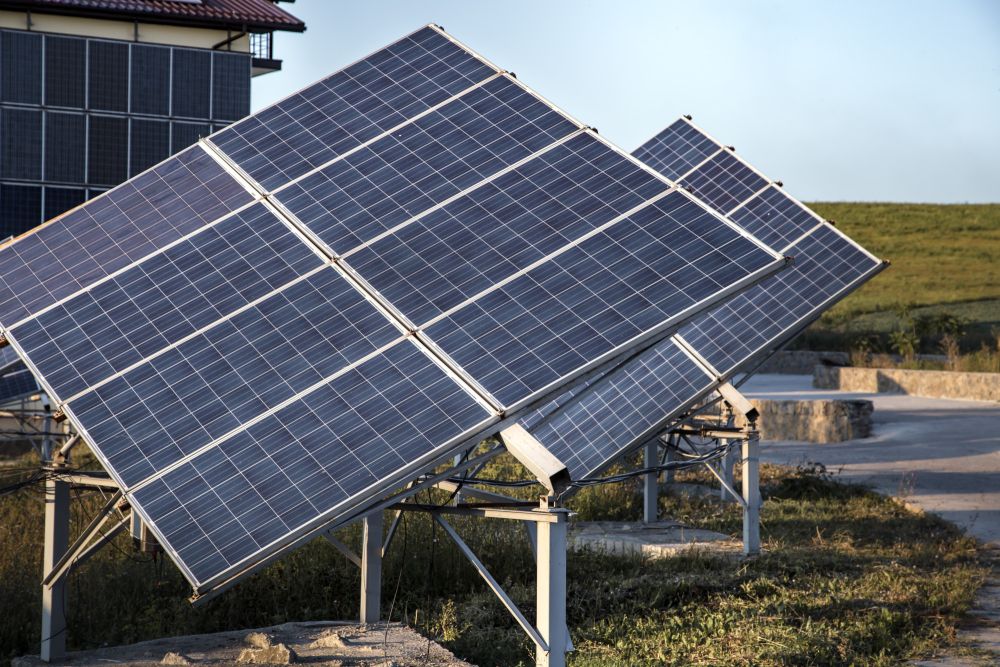
The newly installed photovoltaic system will cover part of Villa Ocampo’s electricity demand, reducing dependence on grid electricity generated from fossil fuels. Although UNESCO has not published detailed figures on capacity or annual output, the organization has confirmed that the system was designed to match local solar conditions and the building’s operational needs.
Over its lifetime, the installation is expected to contribute to lower greenhouse gas emissions and reduced energy costs. While the project is modest in scale, it aligns with broader efforts to decarbonize buildings, a sector that accounts for a significant share of global energy use and emissions.
Protecting Heritage While Modernising Infrastructure
Installing renewable energy systems in historic buildings presents specific challenges. At Villa Ocampo, the solar panels were placed to minimise visual impact and comply with heritage protection guidelines. The installation was designed to be reversible and non-invasive, in line with international conservation principles.
This careful approach highlights that clean energy upgrades do not have to come at the expense of cultural preservation. For managers of heritage assets, the project demonstrates the importance of early planning, technical assessments, and collaboration between engineers and conservation specialists.
Education and Awareness Benefits
Beyond energy generation, the solar project also has an educational dimension. Villa Ocampo regularly welcomes researchers, policymakers, students, and members of the public. The renewable energy system will be used as a real-world example in discussions on climate action, sustainable architecture, and the role of culture in the net-zero transition.
By making sustainability measures visible at a cultural landmark, UNESCO aims to raise awareness of renewable energy solutions and encourage their adoption in other public institutions and private buildings.
Alignment with National and Global Goals
The initiative supports Argentina’s broader renewable energy objectives, including increasing the share of clean energy and encouraging distributed generation. While Villa Ocampo is not a large producer, its symbolic value is significant. Cultural institutions can play an influential role by demonstrating practical climate solutions in high-profile settings.
For industries involved in sustainability, energy, and construction, the project underlines the growing demand for customised renewable solutions suited to complex sites. It also reflects a wider trend of public and cultural organisations integrating climate objectives into operational decision-making.
A Model for Future Projects
UNESCO has indicated that lessons learned from Villa Ocampo will inform sustainability upgrades at other cultural sites it manages. As climate risks increase and energy costs remain volatile, improving the environmental performance of cultural infrastructure is becoming a strategic priority.
The Villa Ocampo solar project shows that heritage conservation and climate action can be mutually reinforcing. While limited in scale, it provides a replicable model for integrating renewable energy into historically sensitive environments and supports the wider transition towards low-carbon, resilient cultural institutions.
Source: www.unesco.org

Mentioned in this article...
More related content

OMV Warns Rigid Recycling Rules May Slow Plastics Innovation
Wind and Solar Overtake Fossil Fuels in EU Power Generation
OpenAI Outlines Strategy to Control Rising Data Centre Energy Costs