Wind and Solar Overtake Fossil Fuels in EU Power Generation

Cut through the green tape
We don't push agendas. At Net Zero Compare, we cut through the hype and fear to deliver the straightforward facts you need for making informed decisions on green products and services. Whether motivated by compliance, customer demands, or a real passion for the environment, you’re welcome here. We provide reliable information. Why you seek it is not our concern.
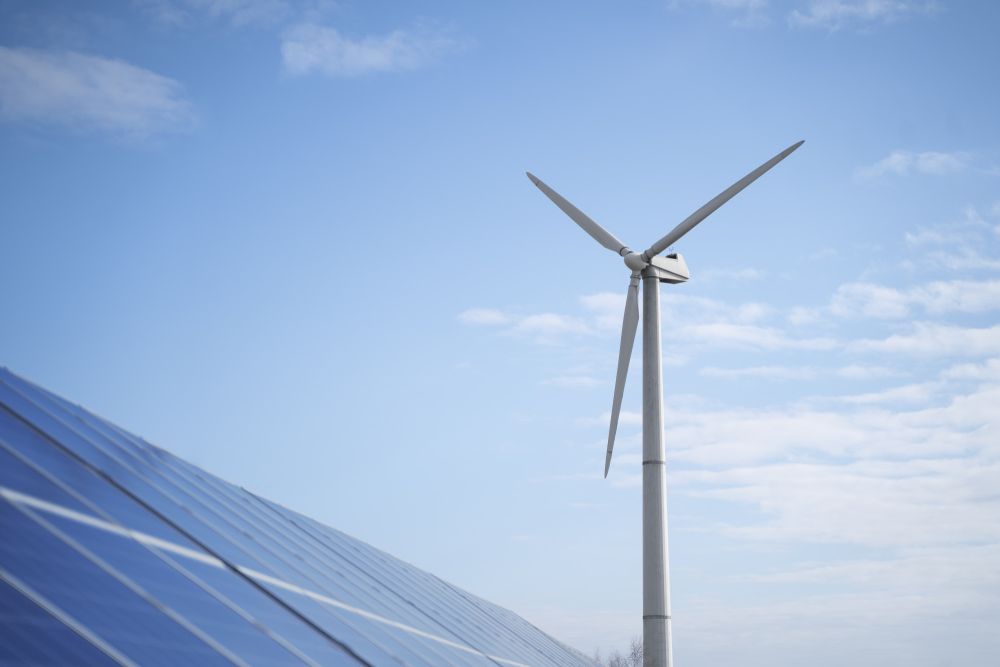
Wind and solar power together generated more electricity than fossil fuels in the European Union in 2024, according to analysis cited by Sustainability Online. This marks the first time that variable renewable energy sources have surpassed coal, gas, and oil combined in the EU’s electricity generation mix, representing a significant milestone in the region’s energy transition.
While hydropower and nuclear energy continue to play a major role in European electricity supply, the overtaking of fossil fuels by wind and solar signals a deeper structural transformation. It reflects long-term policy support, sustained investment, and rapid technological cost reductions that have transformed the way electricity is produced across the bloc.
Solar and Wind Drive Renewable Growth
Solar power recorded the fastest growth among all electricity sources in 2024. Several EU member states, including Germany, Spain, Italy, and the Netherlands, installed record levels of new solar capacity during the year. Rooftop systems, utility-scale projects, and corporate-backed installations all contributed to rising output.
Wind power also expanded, supported by new onshore projects and steady offshore deployment, particularly in northern Europe. Offshore wind capacity in the North Sea and Baltic Sea continued to increase, providing large volumes of low-carbon electricity to densely populated and industrial regions.
Together, wind and solar benefited from falling technology costs, improved project economics, and strong demand from companies seeking long-term access to clean electricity through power purchase agreements.
Fossil Fuel Generation Continues to Decline
At the same time, fossil fuel-based electricity generation fell sharply across the EU. Coal-fired power output declined the most, extending a long-term downward trend as plants were retired or operated less frequently due to high fuel costs and stricter environmental standards.
Gas-fired generation also decreased year on year. Lower electricity demand in some markets, improved energy efficiency, and competition from renewables with very low marginal costs all contributed to reduced gas use. Although gas remains an important balancing fuel during periods of low renewable output, its role in the overall power mix is steadily shrinking.
Emissions and Climate Implications
The shift away from fossil fuels in power generation has delivered substantial emissions reductions. Electricity generation is one of the largest sources of greenhouse gas emissions in Europe, so changes in this sector have an outsized impact on the EU’s overall climate performance.
Lower coal and gas generation helped cut power sector emissions significantly in 2024, supporting progress toward the EU’s 2030 emissions reduction target and its longer-term objective of climate neutrality. Analysts note that continued decarbonisation of the power sector is essential to enable emissions reductions in transport, buildings, and industry through electrification.
Energy Security Gains After the Gas Crisis
Energy security considerations have been a major driver of renewable deployment in recent years. Following the energy price shocks caused by Russia’s invasion of Ukraine, EU governments accelerated efforts to reduce dependence on imported fossil fuels.
The growth of wind and solar has helped lower gas import needs and reduce exposure to volatile international fuel markets. While Europe still relies on fossil fuel imports, a larger share of domestically produced renewable electricity strengthens resilience and improves price stability over the medium term.
Grid Capacity and System Flexibility Challenges
Despite the milestone, rising shares of wind and solar also expose structural challenges in the electricity system. Variable renewable generation increases the need for grid flexibility, storage, and cross-border interconnections.
Several countries experienced periods of very high renewable output in 2024 that strained local grids, leading to curtailment or negative power prices. In other periods, low wind and solar availability required continued reliance on dispatchable generation.
Grid expansion and modernisation are increasingly seen as critical bottlenecks. Many renewable projects face delays due to limited grid capacity rather than a lack of generation potential. Accelerating permitting and investment in transmission infrastructure will be essential to integrate future capacity.
Market Design and Investment Signals
Electricity market design is another growing focus for policymakers. As renewables with near-zero operating costs dominate generation during many hours, wholesale prices are increasingly set by fossil fuel plants during periods of scarcity.
Debates are ongoing about how to reform power markets to better reflect the economics of clean electricity while ensuring adequate investment in flexible resources such as storage, demand response, and low-carbon dispatchable capacity. The outcome of these reforms will shape investment decisions across the energy value chain.
Implications for Industry and Corporations
For industrial consumers, the rise of wind and solar creates opportunities to secure long-term, low-cost electricity through direct procurement or on-site generation. Power purchase agreements are increasingly used to hedge price risk and support corporate decarbonisation strategies.
However, exposure to price volatility during periods of low renewable output remains a concern, particularly for energy-intensive sectors. This reinforces the importance of flexibility, storage, and diversified energy sourcing strategies.
What Comes Next for EU Power Generation
Wind and solar are expected to continue increasing their share of EU electricity generation over the coming years, supported by national energy and climate plans and EU-level policy frameworks. However, maintaining current growth rates will depend on faster permitting, skilled workforce availability, grid investment, and public acceptance of new infrastructure.
The fact that wind and solar have overtaken fossil fuels is not the endpoint of the energy transition. Instead, it marks the beginning of a new phase focused on integration, system reliability, and ensuring that clean electricity can underpin Europe’s wider decarbonisation goals.
Source: sustainabilityonline.net

Mentioned in this article...
More related content

OMV Warns Rigid Recycling Rules May Slow Plastics Innovation
OpenAI Outlines Strategy to Control Rising Data Centre Energy Costs
AVEVA’s Sustainable Aviation Fuel Data Deal Highlights the Role of ...