Global Emissions Remain Above Safe Limits a Decade After Paris, Despite Faster Clean Energy Growth

Cut through the green tape
We don't push agendas. At Net Zero Compare, we cut through the hype and fear to deliver the straightforward facts you need for making informed decisions on green products and services. Whether motivated by compliance, customer demands, or a real passion for the environment, you’re welcome here. We provide reliable information. Why you seek it is not our concern.
Ten years after the Paris Climate Agreement was adopted, global greenhouse gas emissions remain at or near record highs. Despite unprecedented growth in renewable energy, electric vehicles, and climate legislation, the world has yet to enter a sustained decline in emissions. The gap between political commitments and the reductions required to meet Paris goals continues to define the global climate challenge.
The Paris agreement, signed in December 2015 by nearly every country, committed governments to limit global warming to well below 2 ºC and to pursue efforts to cap it at 1.5 ºC above pre-industrial levels. Central to the deal was the expectation that countries would strengthen their climate targets over time, reflecting growing ambition and technological progress.
While climate action has accelerated since then, the pace remains insufficient to offset rising energy demand and ongoing fossil fuel use.
Emissions Trajectory and Climate Risk
According to the UN Environment Programme and the International Energy Agency, global emissions in 2024 were still rising slightly rather than falling. Current national climate plans place the world on a warming trajectory of roughly 2.5 ºC to 2.9º C by the end of the century, far above Paris-aligned limits.
This trajectory carries significant risks. Over the past decade, the frequency and severity of extreme weather events have increased, including heatwaves, floods, droughts, and wildfires. These impacts have disrupted food systems, strained infrastructure, and increased economic losses across regions. Lower-income countries and vulnerable communities remain disproportionately exposed, despite having contributed least to cumulative emissions.
Climate scientists warn that delaying emissions reductions further will require steeper cuts later, increasing economic disruption and reliance on unproven large-scale carbon removal technologies.
Rapid Growth in Clean Energy and Electrification
One of the most notable developments since 2015 has been the expansion of clean energy. Global solar and wind capacity has grown at record rates, with renewables now accounting for the majority of new power generation capacity added worldwide. China, the European Union, and the United States have driven much of this growth, supported by industrial policy, subsidies, and grid investment.
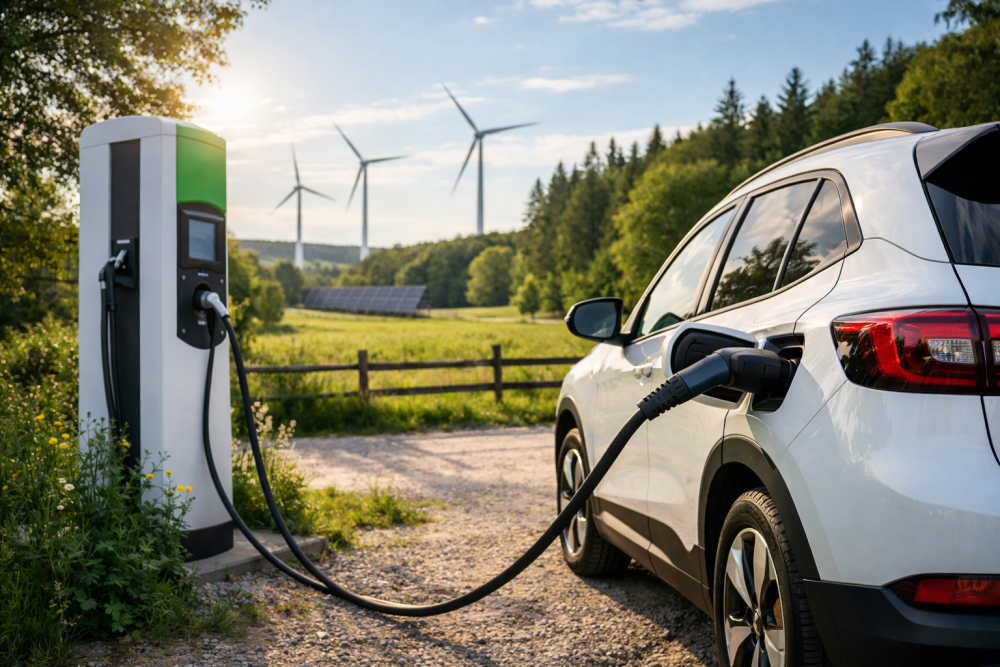
Electric vehicle adoption has also accelerated. In 2024, EVs represented around 20% of global new car sales, up from less than 1% at the time of the Paris agreement. Battery costs have fallen sharply, enabling broader deployment across transport, storage, and grid balancing.
These trends have improved the economic competitiveness of low-carbon technologies, making decarbonisation more affordable in many sectors than policymakers expected a decade ago.
Persistent Fossil Fuel Dependence
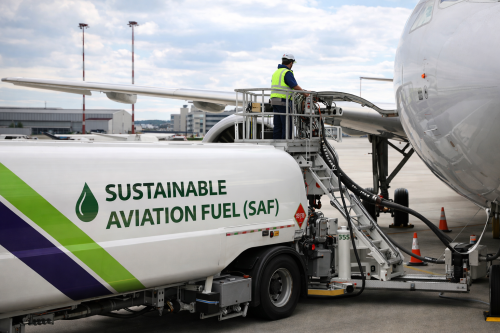
Despite clean energy gains, fossil fuels remain deeply embedded in the global economy. Oil, gas, and coal still supply the majority of global energy demand, particularly in industry, aviation, shipping, and heating. While coal use has declined in some advanced economies, it remains high globally, with new capacity still being added in parts of Asia.
Natural gas consumption has also increased over the past decade, often framed as a transition fuel. However, methane emissions associated with gas production and transport have undermined its climate benefits.
Experts note that without faster fossil fuel phaseouts, especially in power generation, emissions reductions in other sectors risk being offset by continued growth elsewhere.
Policy Ambition Versus Implementation
A key challenge highlighted by climate analysts is the gap between announced targets and real-world delivery. More than 150 countries have now set net zero targets, covering most of the global economy. However, many of these pledges lack legally binding frameworks, interim milestones, or detailed implementation plans.
Political opposition, legal challenges, and concerns over energy security have slowed policy progress in several major economies. In some cases, climate measures have been diluted or delayed in response to inflationary pressures and geopolitical tensions.
Carbon pricing mechanisms now cover roughly a quarter of global emissions, but prices vary widely and often remain too low to drive major industrial transformation without complementary regulation and investment support.
Finance and Equity Constraints
Climate finance remains another major bottleneck. Although investment in clean energy has increased significantly, it still falls short of what is needed to meet Paris goals. Developing countries face particular challenges, including higher borrowing costs, currency risks, and limited access to long-term capital.
Commitments by wealthier nations to mobilise climate finance have not been consistently met, undermining trust in international climate negotiations. Without greater financial support, many emerging economies argue that rapid decarbonisation could conflict with development priorities.
Addressing these constraints will be essential to accelerating global emissions reductions while maintaining economic stability.
A Decisive Decade Ahead
Scientists estimate that global emissions must fall by around 40% by 2030 to keep the 1.5 °C target within reach. Achieving this would require rapid coal phaseouts, large-scale electrification, faster deployment of renewable energy, deeper cuts to methane emissions, and significant improvements in energy efficiency.
The next round of national climate plans, due later this decade, will be a critical test of whether governments are willing to translate long-term ambitions into immediate action.
Ten years after Paris, the direction of travel is clear, but the pace remains too slow. The coming decade will determine whether the agreement becomes a turning point in global emissions or a missed opportunity with lasting consequences.
Source: www.theguardian.com

Mentioned in this article...
Glossary terms
More related content

OMV Warns Rigid Recycling Rules May Slow Plastics Innovation
Wind and Solar Overtake Fossil Fuels in EU Power Generation
OpenAI Outlines Strategy to Control Rising Data Centre Energy Costs