Braskem Reframes Carbon Accounting for Bio-Based Plastics

Cut through the green tape
We don't push agendas. At Net Zero Compare, we cut through the hype and fear to deliver the straightforward facts you need for making informed decisions on green products and services. Whether motivated by compliance, customer demands, or a real passion for the environment, you’re welcome here. We provide reliable information. Why you seek it is not our concern.
Bio-based plastics are often positioned as a lower-carbon alternative to conventional fossil-based polymers, particularly when derived from renewable feedstocks such as sugarcane, corn, or other forms of biomass. However, the actual climate impact of these materials depends not only on how they are produced, but also on how their emissions are measured across the full lifecycle. Braskem’s recent work on carbon accounting reflects a broader industry challenge. Most existing greenhouse gas accounting frameworks were developed primarily for fossil-based systems and do not always reflect the specific dynamics of biogenic carbon.
As scrutiny of corporate climate claims increases, gaps in accounting methodologies are becoming more visible. For companies seeking to demonstrate credible emissions reductions, inaccurate or overly simplified carbon accounting can undermine both internal decision-making and external trust.
The Challenge of Biogenic Carbon
At the core of the debate is how biogenic carbon is treated in greenhouse gas inventories and lifecycle assessments. Biomass absorbs carbon dioxide from the atmosphere as it grows. When that biomass is converted into materials such as bio-based plastics, the carbon remains embedded in the product for its useful life. Eventually, however, the carbon may be released back into the atmosphere, depending on how the product is used, recycled, or disposed of.
Many carbon accounting approaches either assume biogenic carbon is climate-neutral or exclude it from headline emissions figures. While this simplifies reporting, it can obscure important differences between materials and systems. Treating all bio-based products as inherently carbon neutral risks overstating their benefits, while ignoring biogenic carbon entirely may undervalue renewable materials compared with fossil-based alternatives.
Braskem’s Approach to Lifecycle Transparency
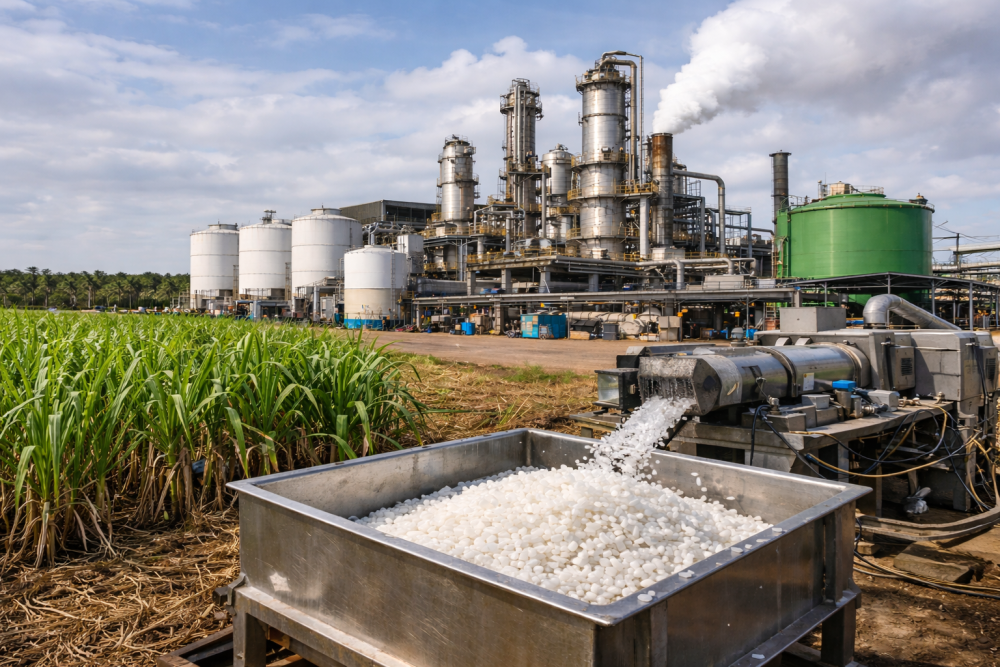
Braskem produces bio-based polyethylene primarily from ethanol derived from sugarcane. The company is now applying more detailed lifecycle assessment methods to better reflect how carbon is absorbed, stored, and eventually released across the product lifecycle. This includes tracking the timing of carbon flows rather than focusing solely on aggregate emissions totals.
A key focus is on distinguishing between temporary carbon storage and long-term sequestration. Bio-based plastics can store carbon for years or decades, depending on their application, but this storage is not permanent. Braskem’s accounting work aims to make these distinctions explicit, providing a more realistic picture of climate impacts over time.
End-of-Life Scenarios Matter
End-of-life treatment plays a significant role in determining the net emissions profile of bio-based plastics. Recycling can extend the period during which carbon remains stored in materials, effectively delaying its release. Landfilling may also result in long-term storage under certain conditions, although with other environmental trade-offs. Incineration, by contrast, leads to immediate carbon release.
Braskem’s revised accounting approach seeks to differentiate between these outcomes rather than applying a single assumption across all scenarios. This level of detail is increasingly important as regulators and customers look for more precise data on material footprints.
Implications for Scope 3 Emissions
Carbon accounting choices made by materials producers have direct consequences for downstream companies. Manufacturers using bio-based plastics in packaging, consumer goods, or industrial components rely on supplier data to calculate their own Scope 3 emissions. Inconsistent or opaque methodologies can complicate reporting and make it harder for companies to track progress against science-based targets.
By refining how biogenic carbon is accounted for, Braskem aims to improve the quality and comparability of emissions data passed along the value chain. This could support more informed material choices and more credible product-level carbon footprints.
Aligning with Emerging Disclosure Expectations
The initiative comes as expectations around climate disclosure continue to evolve. Investors, regulators, and standard-setting bodies are increasingly emphasizing lifecycle-based emissions metrics, transparency around assumptions, and alignment with scientific evidence. As carbon pricing schemes and product-level regulations expand, inaccurate accounting could translate into regulatory or financial risk.
Braskem’s work reflects a broader shift away from simplistic carbon-neutral claims toward more nuanced communication about climate impacts. Rather than presenting bio-based plastics as automatically low-carbon, the company is emphasizing the conditions under which emissions reductions are achieved, including feedstock sourcing, land-use practices, agricultural inputs, and waste management systems.
Wider Relevance for the Materials Sector
The challenges Braskem is addressing are not unique to plastics. Other bio-based materials, renewable fuels, and bio-derived chemicals face similar questions about how biogenic carbon should be treated. Without consistent methodologies, comparisons across technologies and suppliers remain difficult, limiting the effectiveness of market signals and policy incentives.
Improved carbon accounting could also support better policy design. Governments developing sustainable procurement rules or product standards need robust metrics to distinguish genuine emissions reductions from accounting artifacts. Clearer treatment of biogenic carbon could help align incentives with real-world climate outcomes.
Carbon Accounting as a Transition Enabler
Braskem’s initiative highlights that decarbonization is not only about changing technologies or feedstocks. It also depends on how emissions are measured, reported, and understood. As net-zero commitments become embedded across supply chains, the credibility of carbon accounting will increasingly influence investment decisions, supplier relationships, and regulatory compliance.
While no single methodology will resolve all challenges, greater transparency around carbon flows and assumptions represents a meaningful step forward. For companies navigating the transition to low-carbon materials, evolving carbon accounting practices may prove as critical as innovation in production itself.
Source: sustainablebrands.com

Mentioned in this article...
Organizations
More related content
OMV Warns Rigid Recycling Rules May Slow Plastics Innovation
Wind and Solar Overtake Fossil Fuels in EU Power Generation
OpenAI Outlines Strategy to Control Rising Data Centre Energy Costs