U.S. Emergency Order Keeps Indiana Coal Plants Online as Grid Reliability Concerns Rise

Cut through the green tape
We don't push agendas. At Net Zero Compare, we cut through the hype and fear to deliver the straightforward facts you need for making informed decisions on green products and services. Whether motivated by compliance, customer demands, or a real passion for the environment, you’re welcome here. We provide reliable information. Why you seek it is not our concern.
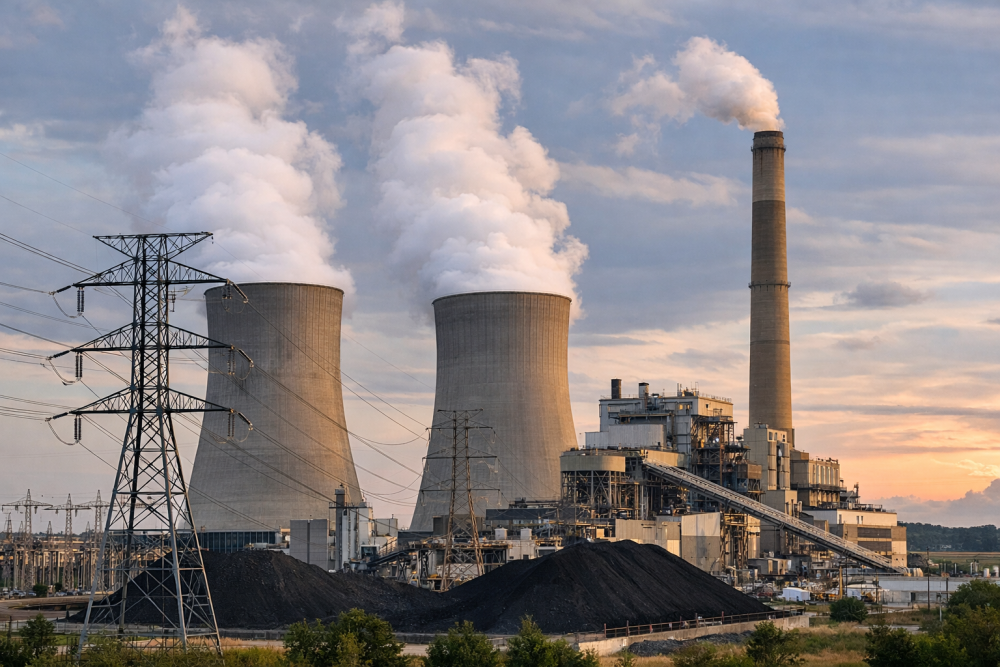
The U.S. Department of Energy has stepped in to delay the retirement of two coal-fired power plants in Indiana, citing concerns about electricity reliability during periods of peak demand. The emergency order obliges utilities to keep the facilities operating temporarily, despite long-standing plans to shut them down as part of the transition away from coal.
The order applies to coal units owned by NIPSCO, a subsidiary of NiSource, and by CenterPoint Energy. Both companies had previously announced coal exit strategies aligned with state and corporate decarbonization objectives. The Department’s decision highlights the increasing role of federal authorities in managing short-term grid risks as the U.S. power system undergoes rapid change.
Grid Reliability Concerns Drive Emergency Action
According to federal officials, the emergency order was issued after assessments indicated that retiring the coal plants could heighten the risk of power shortages during extreme weather events. Heatwaves and cold snaps have become more frequent and severe, placing additional strain on electricity systems across the Midwest and other regions.
Grid operators warned that alternative generation sources may not yet be sufficient to replace the lost capacity, particularly during periods of high demand when renewable output may be constrained. Coal plants, despite their emissions intensity, continue to provide firm and dispatchable power that can be relied upon when other resources are unavailable.
The Department stressed that the order is temporary and designed to maintain system stability rather than reverse long-term energy policy. However, it reflects a growing trend of emergency measures being used to bridge gaps between planned fossil fuel retirements and the deployment of replacement capacity.
Indiana’s Continued Reliance on Coal
Indiana remains one of the more coal-dependent states in the U.S. electricity mix. While utilities have expanded wind and solar generation in recent years, coal plants still account for a substantial share of baseload and peak capacity. Many of these facilities were built decades ago and face rising maintenance and compliance costs.
Utilities in the state have committed to transitioning toward cleaner energy sources, including renewables and natural gas, alongside investments in grid modernization. However, the pace of change has been uneven, and transmission constraints have slowed the integration of the new generation. As a result, coal plants scheduled for retirement continue to play a critical role in meeting demand.
Financial and Operational Impacts on Utilities
Keeping coal plants online beyond their planned retirement creates operational and financial challenges for utilities. Units nearing closure are often no longer optimised for long-term operation, requiring additional spending on fuel procurement, staffing, and maintenance. Compliance with environmental regulations can also add to costs.
Utilities typically seek to recover these expenses through regulated rates, subject to approval by state regulators. This can place upward pressure on electricity prices for consumers, particularly if emergency operations extend longer than initially anticipated.
For investors, the intervention introduces an additional layer of uncertainty. Coal retirement schedules are often central to utility investment strategies, influencing capital allocation toward renewables, storage, and grid infrastructure. Emergency delays can complicate financial planning and affect the timing of clean energy projects.
Implications for Decarbonization and Net-Zero Goals
From a climate perspective, the emergency order underscores the tension between near-term reliability and long-term emissions reduction. Coal-fired power is among the most carbon-intensive forms of electricity generation. Extending the operation of coal plants, even temporarily, can increase emissions and slow progress toward net-zero targets.
At the same time, the decision highlights structural challenges in the energy transition. Inadequate transmission capacity, slow permitting processes, and delays in deploying storage and flexible demand solutions have left some regions exposed as fossil fuel plants retire. Without sufficient alternatives in place, policymakers face difficult trade-offs during periods of grid stress.
Federal officials have reiterated that emergency orders should not become a routine tool. Instead, they have pointed to the need for accelerated investment in transmission lines, grid-scale batteries, demand response programmes, and other resources that can support reliability without relying on high-emissions generation.
Broader Lessons for Industry and Policymakers
The Indiana case illustrates the importance of aligning coal retirement timelines with grid readiness. As utilities across the US move to decarbonise their portfolios, careful coordination between utilities, regulators, grid operators, and federal agencies will be essential.
For large electricity consumers and industrial operators, the episode serves as a reminder that regional grid conditions can influence the carbon intensity of purchased power. Companies with climate targets may need to factor in short-term variability in generation mixes, particularly in coal-heavy regions.
Looking ahead, the emergency order does not signal a reversal of U.S. clean energy policy, but it does reflect the practical constraints facing the energy transition. Ensuring reliability while reducing emissions will require sustained investment, long-term planning, and policy alignment. Without these elements, similar interventions may continue to emerge as a stopgap measure during the shift to a lower-carbon power system.
Source: www.utilitydive.com

Mentioned in this article...
Organizations
More related content

OMV Warns Rigid Recycling Rules May Slow Plastics Innovation
Wind and Solar Overtake Fossil Fuels in EU Power Generation
OpenAI Outlines Strategy to Control Rising Data Centre Energy Costs