The Circular Battery Economy Is Poised for Rapid Growth as EV Adoption Accelerates

Cut through the green tape
We don't push agendas. At Net Zero Compare, we cut through the hype and fear to deliver the straightforward facts you need for making informed decisions on green products and services. Whether motivated by compliance, customer demands, or a real passion for the environment, you’re welcome here. We provide reliable information. Why you seek it is not our concern.
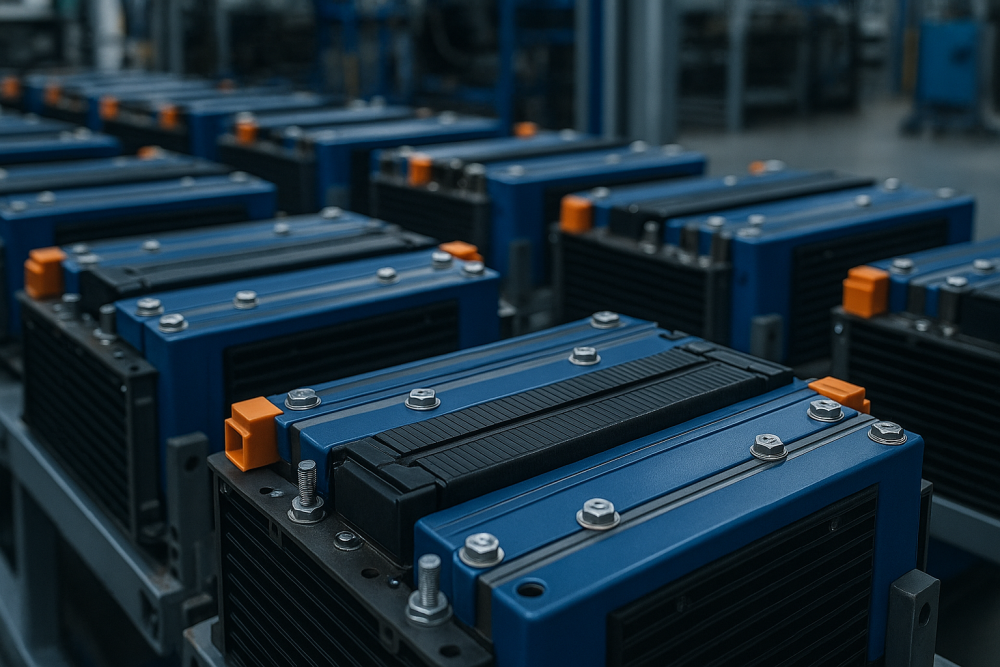
The global transition toward electric mobility and renewable energy is driving a fundamental rethink of how batteries are produced, used, and managed at the end of their life. Recent market analysis referenced by Oilprice.com indicates that the circular battery economy could grow to nearly USD 78 billion by the early 2030s. This growth reflects rising demand for electric vehicles, mounting pressure on critical mineral supply chains, and stronger environmental regulation across major economies.
Rather than following a linear model based on extraction, manufacturing, use, and disposal, the circular battery economy focuses on reuse, remanufacturing, and recycling. This shift is increasingly seen as essential to achieving net-zero targets while maintaining industrial competitiveness and energy security.
Electric Vehicles Drive Battery Demand and Resource Pressure
Electric vehicle adoption continues to accelerate globally, increasing demand for lithium-ion batteries and the materials they contain, including lithium, cobalt, nickel, manganese, and graphite. Many of these materials are geographically concentrated, exposing manufacturers and governments to supply risks, price volatility, and geopolitical constraints.
As battery demand rises, concerns about the environmental and social impacts of mining have also intensified. Water use, land degradation, and labour practices in mining regions are under growing scrutiny, strengthening the case for reducing reliance on virgin raw materials through circular solutions.
Recycling Becomes a Core Pillar of Battery Supply Chains
Battery recycling is currently the most established segment of the circular battery economy. Technological improvements in mechanical separation, hydrometallurgical processing, and emerging direct recycling methods are enabling higher recovery rates for critical materials while lowering energy use and emissions.
Modern recycling facilities can recover significant quantities of lithium, nickel, cobalt, copper, and aluminium, allowing these materials to be fed back into battery manufacturing. As recycling volumes increase, recycled materials are expected to play a growing role in stabilising supply chains and reducing exposure to raw material price swings.
Second-Life Batteries Extend Value Beyond Vehicles
Beyond recycling, second-life applications are gaining momentum. Electric vehicle batteries are often removed from service when their capacity declines below automotive performance thresholds, typically at around 70 to 80% of original capacity. However, these batteries can still provide reliable performance in less demanding applications.
Second-life batteries are increasingly used for stationary energy storage, including renewable energy integration, grid balancing, peak shaving, and backup power for commercial and industrial facilities. Extending battery use in this way improves overall resource efficiency and reduces the lifecycle environmental footprint of battery production.
Policy and Regulation Accelerate Market Development
Government policy is playing a critical role in shaping the circular battery economy. In the European Union, the revised Battery Regulation introduces mandatory collection targets, minimum recycled content requirements, and stricter transparency rules across the battery value chain. These measures are designed to ensure that batteries placed on the market are collected and treated responsibly at the end of life.
Similar regulatory frameworks are emerging in other major markets, including China and the United States. Together, these policies are encouraging investment in recycling infrastructure and pushing manufacturers to incorporate circular principles into battery design and sourcing strategies.
Industry Investment and Vertical Integration Increase
Automakers and battery manufacturers are responding to regulatory and market pressures by investing directly in recycling capacity and forming long-term partnerships with specialised recycling companies. Some firms are pursuing vertically integrated models that link battery manufacturing, vehicle production, and end-of-life processing.
These approaches aim to secure access to recovered materials, reduce long-term costs, and demonstrate compliance with environmental standards. For manufacturers, circularity is increasingly viewed not only as a sustainability requirement but also as a competitive advantage.
Economic and Technical Challenges Remain
Despite strong growth prospects, the circular battery economy faces several challenges. Recycling capacity must scale rapidly to handle the expected surge in end-of-life electric vehicle batteries later this decade. Collection systems remain fragmented in many regions, and battery designs are not always optimised for easy disassembly or material recovery.
Safety considerations also remain critical. Transporting, storing, and dismantling used batteries requires specialised handling to manage fire and chemical risks. Addressing these issues will require continued investment, workforce training, and regulatory coordination.
Innovation and Data Transparency Shape the Next Phase
Technological innovation will play a central role in overcoming existing barriers. Battery designs that prioritise modularity, standardisation, and recyclability can significantly reduce costs and environmental impacts. Digital tools, including battery passports, are expected to improve traceability and enable more efficient reuse and recycling decisions across the value chain.
For stakeholders involved in the net-zero transition, the message is clear. The circular battery economy is rapidly evolving from a supporting sustainability measure into a foundational component of future energy and industrial systems. Its successful development will be critical to ensuring that the growth of electric mobility and energy storage aligns with long-term climate and resource goals.
Source: oilprice.com

Mentioned in this article...
More related content

OMV Warns Rigid Recycling Rules May Slow Plastics Innovation
Wind and Solar Overtake Fossil Fuels in EU Power Generation
OpenAI Outlines Strategy to Control Rising Data Centre Energy Costs