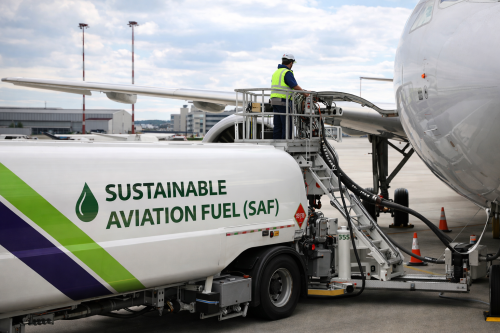
Smarter Flight Planning Could Sharply Reduce Aviation Emissions, Study Finds


Cut through the green tape
We don't push agendas. At Net Zero Compare, we cut through the hype and fear to deliver the straightforward facts you need for making informed decisions on green products and services. Whether motivated by compliance, customer demands, or a real passion for the environment, you’re welcome here. We provide reliable information. Why you seek it is not our concern.
Aviation accounts for an estimated 2 to 3% of global carbon dioxide emissions, but its total contribution to climate change is significantly higher once non-CO₂ effects are considered. These include nitrogen oxides and condensation trails, or contrails, which can intensify warming by trapping heat in the atmosphere.
With passenger numbers expected to continue rising over the coming decades, pressure is growing on the aviation sector to align with national and international net-zero targets. While sustainable aviation fuels and next-generation aircraft dominate long-term decarbonization strategies, a new study suggests that substantial emissions reductions could be achieved much sooner through smarter operational planning.
Inefficiencies in Today’s Flight Paths
The research points to structural inefficiencies embedded in the global aviation system. Many flight routes are shaped by historical airspace boundaries, fixed navigation corridors, and conservative safety margins that predate modern satellite-based navigation and data analytics.
As a result, aircraft frequently fly longer distances than necessary, spend extra time holding near congested airports, or operate at altitudes that increase fuel burn. These inefficiencies translate directly into higher emissions and operating costs.
According to the study, optimizing flight trajectories could significantly reduce these impacts. More direct routing and improved coordination between airspace regions would allow aircraft to fly closer to their most fuel-efficient paths.
The Role of Contrails in Warming
One of the most striking findings relates to contrails, which form when water vapor from aircraft exhaust freezes into ice crystals at high altitudes. While contrails are a familiar sight, their climate impact varies depending on atmospheric conditions.
In some cases, contrails persist and spread, forming cirrus-like clouds that trap outgoing heat. The study suggests that a relatively small proportion of flights is responsible for a disproportionately large share of contrail-related warming.
By adjusting cruising altitudes by a few hundred meters or slightly altering routes, airlines could avoid regions of the atmosphere where harmful contrails are most likely to form. These changes would have minimal effects on flight duration and fuel use, while delivering meaningful climate benefits.
Operational Changes Over Technological Fixes
The findings underscore the potential of operational measures as a complement to longer-term technological solutions. Unlike new aircraft designs or alternative fuels, flight planning improvements can often be implemented using existing fleets and digital infrastructure.
The researchers argue that enhanced data sharing, advanced weather forecasting, and real-time decision-making tools are key enablers. Together, these could allow pilots and air traffic controllers to balance safety, efficiency, and climate considerations more effectively.
This approach is increasingly recognized within international aviation policy discussions, including those led by the International Civil Aviation Organization. ICAO has identified operational efficiency and improved air traffic management as important contributors to reducing aviation’s climate impact.
Benefits for Airlines and Regulators
Beyond emissions reductions, more efficient flight planning offers clear economic advantages. Fuel represents one of the largest cost components for airlines, and even modest efficiency gains can translate into substantial savings at scale.
For regulators and governments, the study highlights an opportunity to deliver near-term emissions reductions without waiting for breakthroughs in aircraft technology. Investments in airspace modernization, digital traffic management systems, and cross-border coordination could yield measurable climate benefits within this decade.
However, implementation challenges remain. Air traffic management is highly complex, and any changes must maintain the highest safety standards. Coordinated action across airlines, air navigation service providers, and national authorities will be essential to avoid unintended consequences, such as shifting congestion or emissions between regions.
Implications for Net-Zero Pathways
The research suggests that operational efficiency is an underused lever in aviation decarbonization strategies. While it will not eliminate the need for sustainable fuels or zero-emission aircraft, smarter flight planning could substantially reduce emissions in the interim.
As the aviation sector faces increasing scrutiny over its climate impact, the study reinforces the message that meaningful action is possible today. By making better use of existing technology and data, aviation could cut a significant portion of its emissions while longer-term solutions continue to develop.
Source: sustainabilityonline.net

Mentioned in this article...
Organizations
Glossary terms
More related content

OMV Warns Rigid Recycling Rules May Slow Plastics Innovation
Wind and Solar Overtake Fossil Fuels in EU Power Generation

OpenAI Outlines Strategy to Control Rising Data Centre Energy Costs