Scientists Develop Plastics That Break Down Safely Instead of Polluting

Cut through the green tape
We don't push agendas. At Net Zero Compare, we cut through the hype and fear to deliver the straightforward facts you need for making informed decisions on green products and services. Whether motivated by compliance, customer demands, or a real passion for the environment, you’re welcome here. We provide reliable information. Why you seek it is not our concern.
Plastic pollution remains one of the most persistent environmental challenges linked to modern consumption patterns. Conventional plastics are durable, lightweight, and inexpensive, but these same properties allow them to persist in the environment for decades or even centuries. As plastic waste fragments into microplastics, it contaminates soils, waterways, food systems, and potentially human health. Against this backdrop, scientists have reported a new approach to plastic design that could significantly reduce long-term environmental impacts.
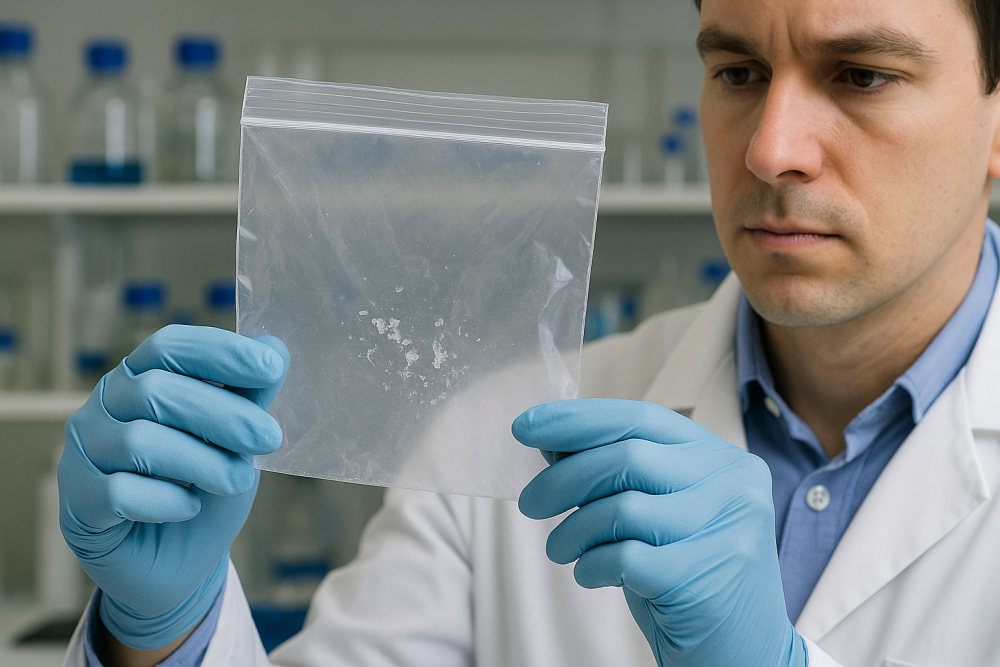
According to research highlighted by SciTechDaily, scientists have developed plastics that are engineered to break down safely rather than accumulate as pollution. The materials are designed so that their chemical structure enables controlled degradation under specific conditions, allowing them to decompose into benign substances instead of microplastic fragments.
Rethinking Plastic at the Molecular Level
Traditional plastics are made from long chains of polymers that resist natural degradation processes. Sunlight, heat, and mechanical stress can cause these chains to fragment, but they rarely break down completely. The result is the widespread presence of microplastics, now detected in oceans, rivers, agricultural soils, and even the atmosphere.
The new plastics take a different approach. Instead of relying on additives or coatings to promote breakdown, the researchers redesigned the polymer backbone itself. By incorporating specific chemical bonds into the plastic structure, the material can be triggered to break apart in a predictable and environmentally safe way.
In laboratory tests, the plastics demonstrated durability during normal use, maintaining strength and stability comparable to conventional materials. When exposed to targeted conditions, such as controlled heat or chemical environments used in recycling or waste treatment, the polymers broke down into smaller molecules that can be further processed or safely absorbed by natural systems.
Implications for Waste and Recycling Systems
One of the most significant challenges in plastic waste management is the difficulty of recycling mixed or contaminated plastics. Many plastics degrade in quality each time they are recycled, limiting the number of reuse cycles and driving demand for virgin fossil-based feedstocks.
Plastics designed to break down cleanly could support more efficient recycling pathways. If materials can be chemically decomposed into reusable building blocks, they may be reconstituted into new plastics without the quality losses associated with mechanical recycling. This aligns with emerging concepts of circular plastics economies, where materials are kept in productive use for longer, and waste is minimized.
For waste streams that cannot be effectively recycled, such as certain single-use items or agricultural plastics, safe degradation could also reduce environmental harm. Instead of fragmenting into persistent microplastics, these materials would decompose into substances that do not accumulate in ecosystems.
Relevance for Industry and Climate Goals
Plastic production is closely tied to fossil fuels, both as a source of raw materials and as an energy-intensive industrial process. Globally, plastics account for a growing share of oil and gas demand and associated greenhouse gas emissions. Improving the end-of-life performance of plastics does not eliminate these emissions, but it can reduce the overall environmental footprint of plastic products.
Industries such as packaging, consumer goods, agriculture, and healthcare are under increasing regulatory and investor pressure to address plastic pollution. Materials that offer durability during use and safe breakdown after disposal could help companies meet tightening environmental standards while maintaining product performance.
From a net-zero perspective, such innovations complement broader efforts to decarbonize materials by reducing waste, supporting circularity, and lowering reliance on virgin fossil resources. When combined with bio-based feedstocks or low-carbon manufacturing processes, degradable plastics could form part of a more sustainable materials strategy.
Challenges and Next Steps
Despite their promise, plastics that break down safely are not a universal solution. Scaling production, ensuring cost competitiveness, and validating environmental performance across real-world conditions remain critical hurdles. Degradation pathways must be carefully controlled to avoid premature breakdown during use or unintended environmental effects.
There is also a need for alignment with waste management infrastructure. For example, plastics designed to degrade under industrial conditions require clear labeling and appropriate collection systems to ensure they enter the correct treatment pathways.
Researchers emphasize that reducing plastic pollution will still require a combination of strategies, including material reduction, reuse, improved recycling, and policy interventions. Innovative materials can play an important role, but they must be deployed as part of a broader systemic transition.
A Step Toward Safer Materials
The development of plastics that break down safely represents a meaningful shift in how materials are designed, moving from persistence by default to planned end-of-life outcomes. For policymakers, businesses, and sustainability professionals, such advances offer practical pathways to address plastic pollution without sacrificing the benefits plastics provide.
As research continues and pilot applications expand, these materials could help reduce one of the most visible and long-lasting forms of environmental pollution, supporting cleaner ecosystems and more sustainable consumption patterns.
Source: scitechdaily.com

Mentioned in this article...
Glossary terms
More related content
OMV Warns Rigid Recycling Rules May Slow Plastics Innovation
Wind and Solar Overtake Fossil Fuels in EU Power Generation
OpenAI Outlines Strategy to Control Rising Data Centre Energy Costs