RWE Launches Drone-Based Monitoring at Kaskasi Offshore Wind Farm

Cut through the green tape
We don't push agendas. At Net Zero Compare, we cut through the hype and fear to deliver the straightforward facts you need for making informed decisions on green products and services. Whether motivated by compliance, customer demands, or a real passion for the environment, you’re welcome here. We provide reliable information. Why you seek it is not our concern.
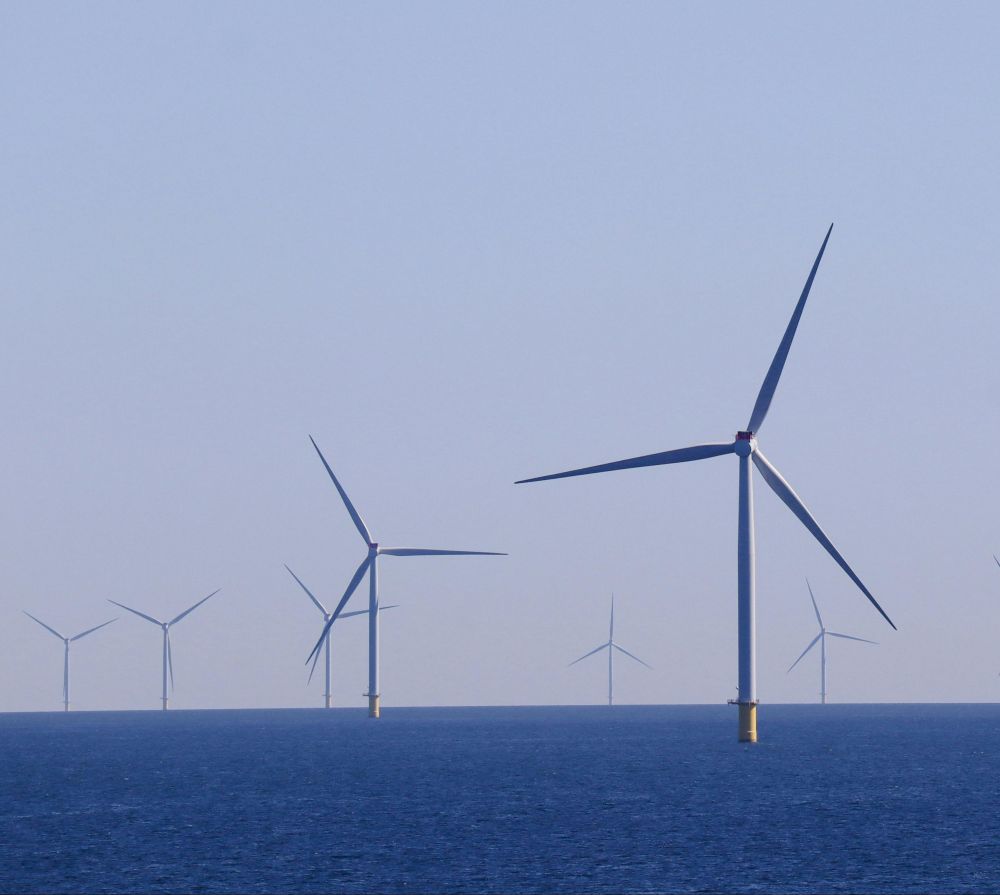
RWE, a global leader in renewable energy, has taken a major step in offshore wind innovation by introducing drone-based environmental monitoring at its Kaskasi wind farm off the German coast. This marks the first-ever deployment in Europe of a long-range drone to observe marine life around a wind farm, setting a milestone for sustainable monitoring.
The initiative is part of RWE’s three-year "SeaMe" project, which explores how cutting-edge technology can help protect marine ecosystems while supporting renewable energy growth. Traditionally, monitoring of birds and marine mammals relied on planes and ships, methods that are costly, carbon-intensive, and intrusive. By contrast, the drone system provides high-resolution footage while cutting monitoring emissions by up to 90 percent.
Alongside the drone, RWE has introduced several other advanced tools. Autonomous underwater vehicles equipped with cameras and sensors are tracking fish, mammals, and seafloor life. AI-powered video systems are installed on turbines to monitor bird activity day and night, even using infrared and thermal imaging. Water samples are also being tested for traces of environmental DNA, which helps scientists identify species present without disturbing them.
The project brings together leading research institutions, including the Alfred Wegener Institute and the Helmholtz Institute for Functional Marine Biodiversity, as well as technology partners from Germany, Denmark, and Norway. Their goal is to build a more complete picture of how offshore wind farms interact with the natural environment.
In a press statement, Thomas Michel, COO of RWE Offshore Wind, emphasized the company’s responsibility to operate "in harmony with nature." With the SeaMe project, RWE aims to improve both science and practice, ensuring that renewable energy and biodiversity protection advance hand in hand.
The Kaskasi wind farm, with its 342-megawatt capacity, already powers about 400,000 German homes with green electricity.
Source: rwe.com

Mentioned in this article...
Organizations
More related content
OMV Warns Rigid Recycling Rules May Slow Plastics Innovation
Wind and Solar Overtake Fossil Fuels in EU Power Generation
OpenAI Outlines Strategy to Control Rising Data Centre Energy Costs