Ørsted Challenges US Halt of USD 5 Billion Offshore Wind Project

Cut through the green tape
We don't push agendas. At Net Zero Compare, we cut through the hype and fear to deliver the straightforward facts you need for making informed decisions on green products and services. Whether motivated by compliance, customer demands, or a real passion for the environment, you’re welcome here. We provide reliable information. Why you seek it is not our concern.
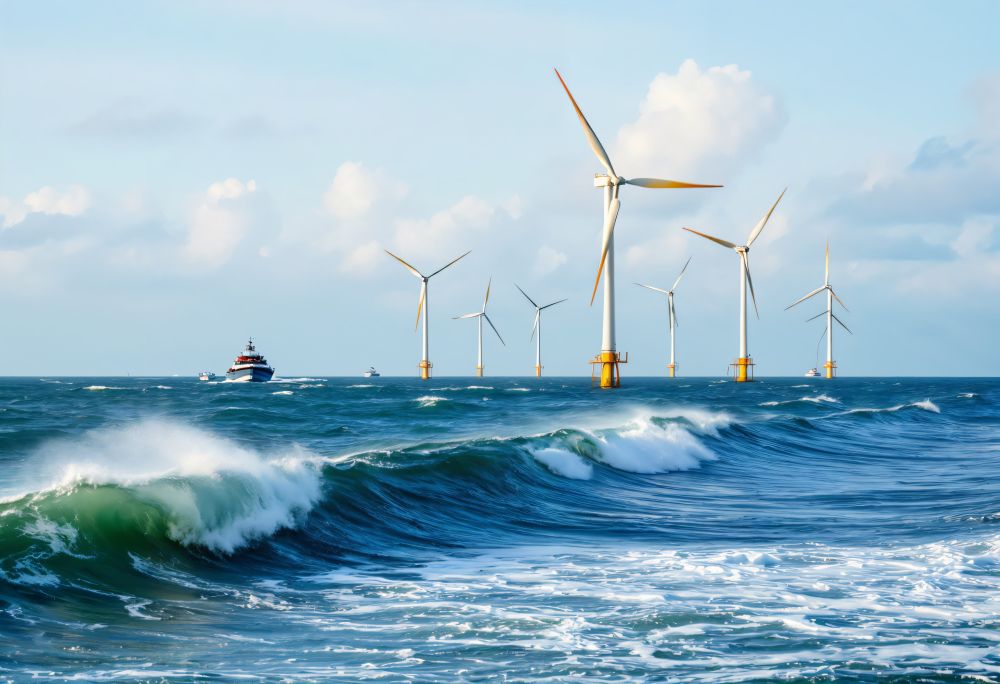
Danish energy group Ørsted has filed a legal challenge against a U.S. federal decision that ordered a halt to its major offshore wind development, escalating a dispute that underscores growing uncertainty for renewable energy projects in the United States.
According to Reuters, the project, valued at around USD 5 billion, was stopped after US authorities raised concerns related to permitting and regulatory compliance. Ørsted argues that the halt is unjustified and risks undermining investor confidence in the U.S. offshore wind sector at a time when the country is seeking to rapidly expand renewable power capacity to meet climate and energy security goals.
The project is one of Ørsted’s largest US investments and forms part of a broader pipeline of offshore wind developments planned along the US East Coast. Offshore wind is widely viewed as a critical component of US decarbonization strategies, particularly for densely populated coastal states where land-based renewable options are limited.
Regulatory Dispute and Legal Action
The suspension was issued by U.S. authorities during construction activities, citing the need for further review of permits and environmental compliance. Ørsted has stated that it followed all applicable federal and state permitting requirements and that the project had already passed extensive environmental impact assessments before construction began.
In its legal filing, Ørsted is seeking to overturn the stop-work order, warning that prolonged delays could significantly increase costs and jeopardize contractual commitments with suppliers, utilities, and financing partners. The company has also cautioned that regulatory reversals at advanced stages of construction could set a troubling precedent for future infrastructure projects.
US regulators have not publicly detailed all the specific concerns prompting the halt, but the case reflects a broader pattern of heightened scrutiny of large energy projects, including renewable developments, amid legal challenges, political pressure, and community opposition in some regions.
Financial and Operational Implications
The immediate financial impact of the halt is substantial. Offshore wind projects involve complex global supply chains, long-term vessel charters, and specialized installation windows that are highly sensitive to delays. Any interruption can trigger cost overruns, penalty payments, and renegotiations with contractors.
For Ørsted, the U.S. market is strategically important. The company has invested billions of dollars to establish a foothold in North America, positioning offshore wind as a cornerstone of its long-term growth strategy. A prolonged suspension could force the company to reassess timelines, capital allocation, or even the overall viability of some U.S. projects.
Industry analysts note that uncertainty around permitting and regulatory stability increases the cost of capital for renewable energy projects. Lenders and investors typically demand higher returns when policy risks rise, which can ultimately translate into higher electricity prices or delayed clean energy deployment.
Broader Impact on the U.S. Offshore Wind Sector
The dispute comes at a sensitive moment for the US offshore wind industry. Several developers are already grappling with rising interest rates, supply chain inflation, and renegotiations of power purchase agreements signed under earlier cost assumptions. A high-profile legal battle involving one of the sector’s leading players could further dampen momentum.
Offshore wind is expected to play a key role in meeting state-level renewable energy mandates and federal climate targets. Delays or cancellations could widen the gap between policy ambitions and actual deployment, increasing reliance on fossil fuel generation in the short to medium term.
Trade groups and clean energy advocates have warned that inconsistent regulatory decisions risk eroding the credibility of the U.S. as a destination for large-scale clean energy investment. They argue that clear, predictable permitting processes are essential to attract the long-term capital required for infrastructure projects with multi-decade lifespans.
Political and Policy Context
The halt also reflects the increasingly politicized nature of energy infrastructure in the United States. Offshore wind projects have become focal points in broader debates over environmental protection, energy independence, and local economic impacts. While supporters emphasize job creation and emissions reductions, opponents often raise concerns about marine ecosystems, fishing industries, and coastal views.
Ørsted has emphasized that offshore wind projects are subject to some of the most rigorous environmental reviews of any energy infrastructure and that extensive mitigation measures are already built into project design and operations.
The outcome of the legal challenge could have implications beyond this single project. A ruling in favor of Ørsted may reinforce the stability of existing permits, while an adverse decision could embolden future challenges and increase uncertainty across the sector.
What to Watch Next
Court proceedings are expected to continue in the coming months, with potential interim rulings determining whether construction can resume while the case is heard. Developers, investors, and policymakers will be closely watching the outcome as an indicator of how regulatory risk is evolving for clean energy projects in the U.S.
For now, the case serves as a reminder that achieving net-zero targets depends not only on technology and capital, but also on consistent and reliable regulatory frameworks that can support complex, long-term investments.
Source: www.reuters.com

Mentioned in this article...
Organizations
More related content

OMV Warns Rigid Recycling Rules May Slow Plastics Innovation
Wind and Solar Overtake Fossil Fuels in EU Power Generation
OpenAI Outlines Strategy to Control Rising Data Centre Energy Costs