NSW Coal Mine Expansions Risk Breaching Australia’s Climate Targets, Analysis Warns

Cut through the green tape
We don't push agendas. At Net Zero Compare, we cut through the hype and fear to deliver the straightforward facts you need for making informed decisions on green products and services. Whether motivated by compliance, customer demands, or a real passion for the environment, you’re welcome here. We provide reliable information. Why you seek it is not our concern.
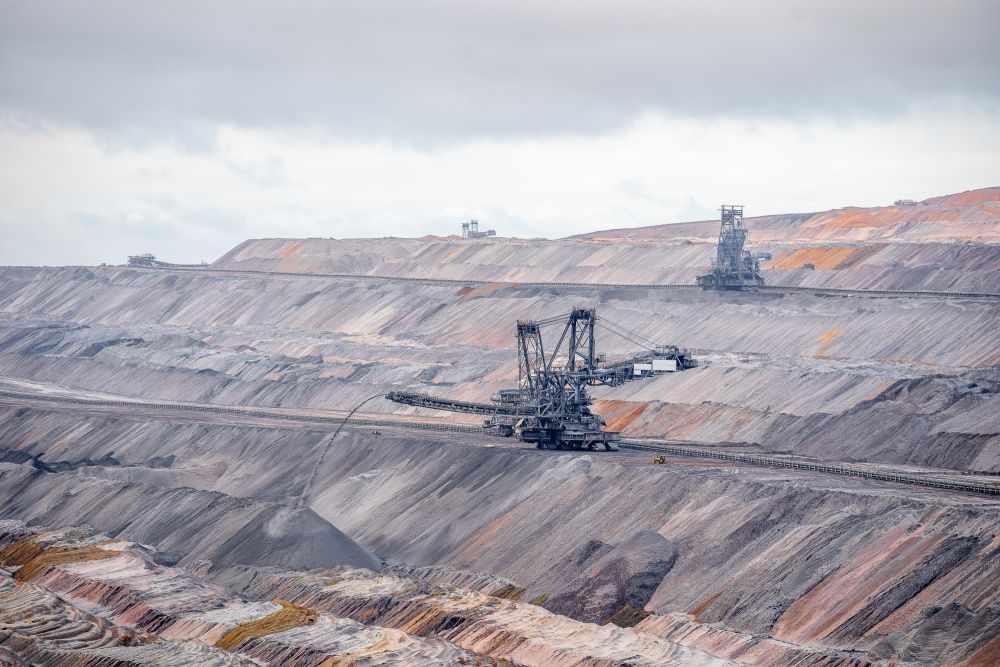
Proposed expansions of coal mines in New South Wales would significantly undermine Australia’s ability to meet its national climate targets, according to new analysis reported by The Guardian. The findings add to growing evidence that continued investment in thermal coal extraction is incompatible with Australia’s emissions reduction pathway and its long-term net-zero objective.
Australia has committed to reducing national greenhouse gas emissions by 43% from 2005 levels by 2030 and to achieving net-zero emissions by 2050. These targets are enshrined in federal law, raising expectations that major infrastructure and resource projects will be assessed against their long-term climate impacts. However, climate analysts warn that cumulative emissions from existing coal operations, combined with proposed mine expansions, would exceed the remaining carbon budget available under these commitments.
The Scale of New South Wales Coal Production
New South Wales is Australia’s largest coal-producing state and a major exporter of thermal coal used in electricity generation overseas. While several domestic coal-fired power stations are scheduled to close over the next decade, many NSW coal mines are seeking approval to extend operations well into the 2040s.
Supporters of these projects frequently cite economic benefits, including employment in regional communities, royalties for state governments, and export income. Coal remains a significant contributor to NSW’s economy, particularly in the Hunter Valley and other mining regions. However, the analysis highlighted by The Guardian suggests that economic justifications increasingly conflict with climate obligations.
Emissions Beyond Australia’s Borders
A central issue raised by climate researchers is the impact of exported coal. Australia’s national emissions targets formally cover only emissions produced within its borders. Yet coal exported from NSW is primarily burned overseas, contributing to global greenhouse gas emissions.
Climate analysts argue that approving new or expanded coal mines locks in higher global emissions at a time when the world must rapidly reduce fossil fuel use to limit warming to 1.5 degrees Celsius. From this perspective, approvals for long-life coal assets undermine global climate efforts, even if exported emissions are not counted in Australia’s official inventory.
Tension Between State and Federal Policy
The findings have renewed debate over the division of responsibilities between state and federal governments. In Australia’s federal system, states control land-use planning and mining approvals, while the federal government sets national climate targets and international commitments.
NSW authorities have argued that coal projects undergo environmental assessments and that global demand determines how much coal is ultimately consumed. Critics counter that government approvals play a decisive role in shaping markets by signalling long-term supply availability and influencing investment decisions.
Financial and Investment Risks for Industry
The analysis also highlights growing financial risks associated with coal expansion. As climate-related financial disclosure requirements expand, coal projects face increased scrutiny from investors, lenders, and insurers. Assets dependent on long-term coal demand risk becoming stranded as global energy systems shift toward renewables, electrification, and improved energy efficiency.
For mining companies and related industries, this raises questions about the long-term viability of projects approved today. Infrastructure linked to coal supply chains, such as rail and port facilities, may also face declining utilisation as international demand weakens.
Implications for Regional Economies and Transition Planning
Coal-dependent regions in NSW face particular challenges. While coal mining currently provides employment and economic stability, analysts stress the importance of proactive transition planning. Renewable energy projects, clean manufacturing, and critical minerals development are increasingly viewed as alternative sources of regional growth with lower climate risks.
Without coordinated transition strategies, communities may be exposed to sudden economic shocks if coal demand falls faster than anticipated due to international climate policies or market shifts.
International Credibility and Trade Considerations
Continued approval of coal mine expansions also affects Australia’s international standing. As climate policies tighten globally, countries that maintain or expand fossil fuel production face increasing diplomatic and trade pressures. Carbon border measures and climate-related trade rules could affect Australian exports beyond the energy sector.
Climate policy experts warn that approving new coal projects risks undermining Australia’s credibility in international climate negotiations and weakening relationships with climate-vulnerable nations.
Policy Options and Next Steps
Experts point to several policy tools that could help align mining decisions with climate targets. These include incorporating explicit carbon budget assessments into project approvals, better aligning state planning laws with national climate legislation, and providing stronger support for economic diversification in coal regions.
Clearer guidance on how emissions from exported fossil fuels should be considered in decision-making is also seen as critical as Australia approaches its 2030 emissions milestone.
A Defining Challenge for Australia’s Net-Zero Pathway
As scrutiny of fossil fuel development intensifies, the analysis reported by The Guardian underscores a core challenge of the net-zero transition. Balancing short-term economic interests with long-term climate stability will shape Australia’s emissions trajectory for decades. Decisions made by NSW and other states on coal mine expansions may ultimately determine whether Australia’s climate targets remain achievable or slip further out of reach.
Source: www.theguardian.com

Mentioned in this article...
More related content

OMV Warns Rigid Recycling Rules May Slow Plastics Innovation
Wind and Solar Overtake Fossil Fuels in EU Power Generation
OpenAI Outlines Strategy to Control Rising Data Centre Energy Costs