Norway’s Equinor Fined €60m Over Historic Refinery Pollution in Landmark Environmental Ruling

Cut through the green tape
We don't push agendas. At Net Zero Compare, we cut through the hype and fear to deliver the straightforward facts you need for making informed decisions on green products and services. Whether motivated by compliance, customer demands, or a real passion for the environment, you’re welcome here. We provide reliable information. Why you seek it is not our concern.
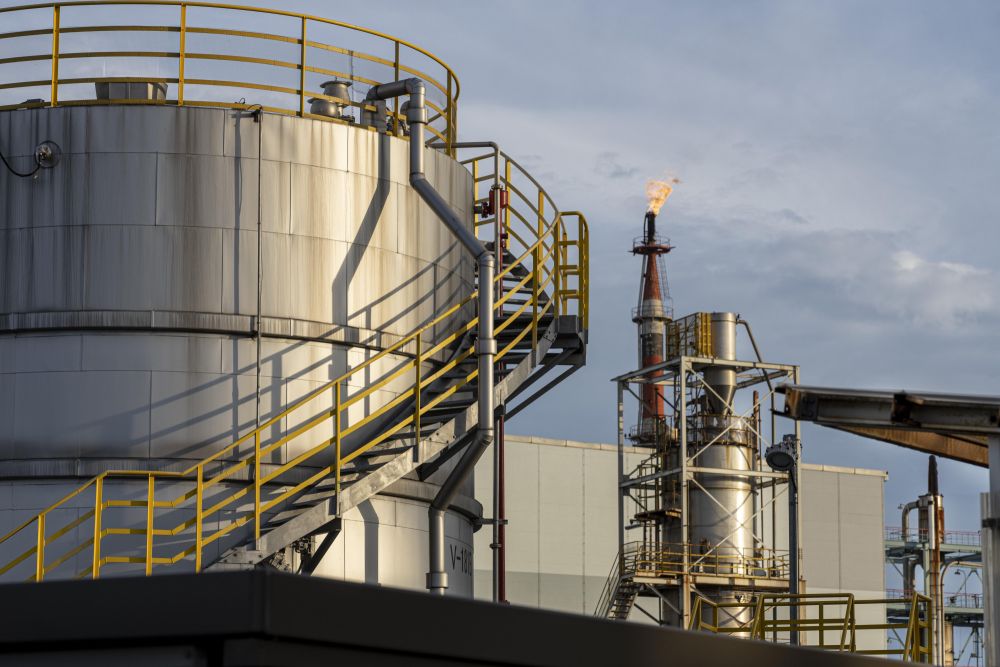
Norway’s state-controlled energy company Equinor is facing a €60 million penalty following allegations of long-running pollution breaches at its Mongstad oil refinery, in a rare and high-profile environmental enforcement action against a major oil and gas producer.
The penalty notice was issued by Norway’s environmental crime authority Økokrim, which alleges that Equinor committed serious violations of the country’s Pollution Control Act over a prolonged period. Prosecutors argue that illegal emissions and discharges occurred due to inadequate maintenance and oversight at the refinery, one of the largest industrial sites in Norway. In addition to the fine, authorities are seeking the confiscation of around NOK 500 million, representing what they claim were financial gains made by avoiding necessary maintenance and upgrades.
Equinor has rejected the allegations and said it intends to challenge the penalty in court. The company argues that it identified and reported the issues itself, cooperated fully with regulators, and implemented corrective measures. According to Equinor, the authorities have not sufficiently demonstrated criminal negligence or deliberate wrongdoing.
Background to the Case
The Mongstad refinery, located on Norway’s west coast, plays a strategic role in processing crude oil for domestic use and export. Investigations into the site began several years ago after environmental authorities detected a series of incidents involving oil spills, emissions of hydrogen sulphide, and discharges that exceeded permitted limits. Prosecutors allege that some of these breaches date back decades, raising questions about long-term asset integrity and operational governance.
Økokrim has described the alleged offences as serious environmental crimes, arguing that they posed potential risks to workers, local communities, and surrounding ecosystems. The authority’s approach reflects a broader trend in Norway toward treating environmental violations with the same gravity as financial or corruption offences.
Equinor’s Response and Industry Reaction
Equinor has stressed that the issues at Mongstad were historical and that significant investments have since been made to improve safety and environmental performance at the site. The company maintains that it has complied with regulatory requirements and that the scale of the proposed penalties is disproportionate.
Industry analysts note that while the financial impact of a €60 million fine is manageable for Equinor, which reports tens of billions of euros in annual revenues, the reputational and strategic implications are more significant. Environmental enforcement actions of this magnitude can influence investor confidence, increase perceived regulatory risk, and affect access to capital, particularly as lenders and shareholders place growing emphasis on environmental, social, and governance performance.
Environmental organisations have welcomed the move, arguing that it sends a clear signal that large energy companies will be held accountable for environmental harm, even when violations relate to legacy assets. Campaigners say the case demonstrates that strong enforcement is essential if climate and environmental laws are to be credible.
Implications for Regulation and Compliance
The case comes amid a wider tightening of environmental regulation across Europe. Governments are not only introducing new climate policies aimed at reducing greenhouse gas emissions but are also strengthening enforcement of existing pollution and safety laws. For energy companies, this means that compliance risks now extend well beyond future emissions targets to include historic operational practices.
Regulators are increasingly willing to pursue criminal and financial penalties where they believe companies have failed to adequately manage environmental risks. This shift has important implications for corporate governance, particularly for firms with ageing infrastructure or complex industrial operations.
For executives overseeing energy transition strategies, the Equinor case underscores the importance of integrating environmental compliance into broader net-zero plans. Investment in renewables and low-carbon technologies may not shield companies from scrutiny of their legacy operations. In some cases, historic pollution liabilities could complicate divestment strategies or delay the repurposing of existing assets.
Relevance for Net-Zero Strategies
As governments and investors push for faster progress toward net-zero emissions, the role of fossil fuel companies is under increasing examination. Authorities are signalling that climate commitments must be matched by demonstrable improvements in environmental performance across all operations, including refineries, terminals, and other downstream assets.
The outcome of Equinor’s legal challenge will be closely watched by the global energy industry. If the courts uphold the penalty, it could encourage similar enforcement actions in other jurisdictions and strengthen the hand of regulators seeking to impose tougher standards on high-emitting industries. If the ruling is overturned, it may prompt renewed debate about the threshold for criminal liability in environmental cases.
Either way, the case highlights a clear trend. Environmental compliance is no longer a peripheral issue but a central component of risk management for energy companies navigating the transition to a lower-carbon economy.
Source: www.ft.com

Mentioned in this article...
Organizations
Glossary terms
More related content

OMV Warns Rigid Recycling Rules May Slow Plastics Innovation
Wind and Solar Overtake Fossil Fuels in EU Power Generation
OpenAI Outlines Strategy to Control Rising Data Centre Energy Costs