Morrisons Secures SBTi Approval for 2050 Net-Zero Target Covering Full Value Chain

Cut through the green tape
We don't push agendas. At Net Zero Compare, we cut through the hype and fear to deliver the straightforward facts you need for making informed decisions on green products and services. Whether motivated by compliance, customer demands, or a real passion for the environment, you’re welcome here. We provide reliable information. Why you seek it is not our concern.
Morrisons has secured approval from the Science Based Targets initiative (SBTi) for its 2050 net-zero target, confirming that the company’s climate ambition aligns with pathways consistent with limiting global warming to 1.5 degrees Celsius. The approval covers Morrisons’ full value chain, including direct operations and all significant upstream and downstream emissions.
SBTi validation is increasingly viewed as a benchmark for credible corporate climate commitments. For food retailers, achieving this approval is particularly demanding due to the high proportion of emissions generated outside their direct control, especially in agriculture and global supply chains.
Scope 1, 2 and 3 Emissions Fully Included
Morrisons’ approved target encompasses Scope 1, 2 and 3 greenhouse gas emissions. Scope 1 includes direct emissions from company-owned sites and vehicles, while Scope 2 covers indirect emissions from purchased electricity and energy. Scope 3 emissions, which typically account for the majority of a retailer’s footprint, include emissions from purchased goods and services, farming activities, manufacturing, transport, packaging, waste and customer use.
According to Morrisons, Scope 3 emissions represent the largest share of its climate impact, reflecting the carbon intensity of food production and distribution. By committing to full value chain coverage, the retailer aligns with evolving expectations from investors, regulators and civil society regarding comprehensive net-zero strategies.
Near- and Mid-Term Targets Underpin 2050 Ambition
In addition to its long-term net-zero goal, Morrisons has set interim emissions reduction targets in line with SBTi requirements. These include absolute reductions in Scope 1 and 2 emissions by 2035, supported by energy efficiency improvements, renewable energy deployment and operational optimisation.
The company has also committed to meaningful reductions in Scope 3 emissions over the same period, particularly in categories such as purchased goods and services and transportation and distribution. Progress against these targets will be monitored and disclosed through annual reporting, using recognised climate disclosure standards.
Vertical Integration Offers Greater Emissions Visibility
A distinctive feature of Morrisons’ business model is its vertically integrated structure. Unlike many competitors, the company owns a significant proportion of its food manufacturing operations and maintains long-term, direct relationships with British farmers. Morrisons argues that this model provides enhanced visibility over emissions sources and enables more direct intervention across the supply chain.
The retailer works with thousands of UK farmers and suppliers, many under long-term contracts. These relationships are central to Morrisons’ approach to reducing agricultural emissions, which remain one of the most challenging aspects of food sector decarbonisation.
Addressing Agricultural and Land-Use Emissions
Agriculture is a major contributor to Morrisons’ Scope 3 emissions, driven by livestock methane, fertiliser use, soil management and land-use practices. Morrisons has indicated that it will expand programmes supporting regenerative agriculture, improved soil health and more efficient nutrient use.
Support mechanisms include data collection and benchmarking, technical guidance and financial incentives linked to sustainability outcomes. The company has positioned collaboration with farmers as essential to reducing emissions intensity while safeguarding productivity, food security and farmer livelihoods.
Energy Efficiency and Renewables Across Operations
Reducing emissions from stores, manufacturing sites, and distribution centres remains a priority for Morrisons’ Scope 1 and 2 strategy. The retailer has invested in energy efficiency measures such as LED lighting, upgraded refrigeration systems and heat recovery technologies.
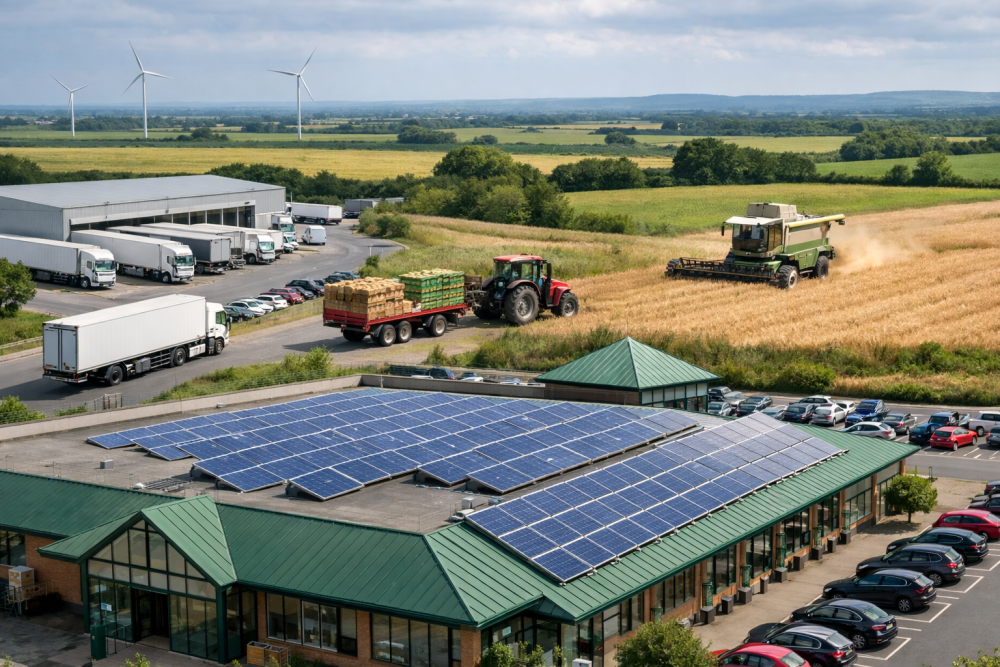
Morrisons has also expanded on-site renewable energy generation, particularly rooftop solar installations at stores and logistics hubs. These investments reduce exposure to volatile energy prices while contributing to emissions reductions aligned with its SBTi-approved targets.
Transport, Logistics and Packaging Challenges
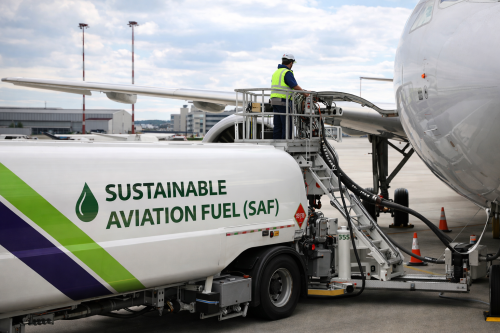
Transport and logistics are another significant source of emissions. Morrisons has begun deploying electric home delivery vans and is trialling lower-carbon fuels for heavy goods vehicles. While full decarbonisation of long-distance freight remains limited by infrastructure and technology constraints, efficiency improvements and fuel switching are expected to deliver near-term emissions reductions.
Packaging and waste reduction form an additional pillar of the retailer’s climate strategy. Morrisons has committed to reducing unnecessary packaging, improving recyclability and cutting food waste through better forecasting, redistribution partnerships and treatment of unavoidable waste through anaerobic digestion.
Implications for Suppliers and the Wider Sector
SBTi approval has implications beyond Morrisons’ own operations. Suppliers are increasingly expected to measure and disclose emissions, set science-based targets and demonstrate progress over time. Climate performance is becoming a more prominent factor in procurement decisions across the retail sector.
For investors and regulators, independent validation through SBTi strengthens confidence in the credibility of net zero claims. As scrutiny of greenwashing intensifies, third-party assurance is playing a growing role in assessing transition risk and long-term resilience.
Delivery Remains the Key Challenge
While SBTi approval confirms alignment with climate science, delivery will require sustained investment, collaboration and supportive policy frameworks. Factors such as agricultural policy reform, grid decarbonisation and the availability of low-carbon technologies will influence Morrisons’ ability to meet its targets.
Nonetheless, the approval establishes a clear framework for action and accountability. As the food retail sector faces mounting pressure to decarbonise, Morrisons’ full value chain commitment highlights both the scale of the challenge and the direction of travel for the industry.
Source: esgnews.com

Mentioned in this article...
More related content

OMV Warns Rigid Recycling Rules May Slow Plastics Innovation
Wind and Solar Overtake Fossil Fuels in EU Power Generation
OpenAI Outlines Strategy to Control Rising Data Centre Energy Costs