Meta Turns to Nuclear Power to Secure Long-Term Electricity for AI-Driven Growth

Cut through the green tape
We don't push agendas. At Net Zero Compare, we cut through the hype and fear to deliver the straightforward facts you need for making informed decisions on green products and services. Whether motivated by compliance, customer demands, or a real passion for the environment, you’re welcome here. We provide reliable information. Why you seek it is not our concern.
Meta has taken a significant step toward securing long-term, carbon-free electricity by signing nuclear energy agreements with multiple developers and utilities, underscoring the growing energy challenge posed by artificial intelligence and data center expansion.
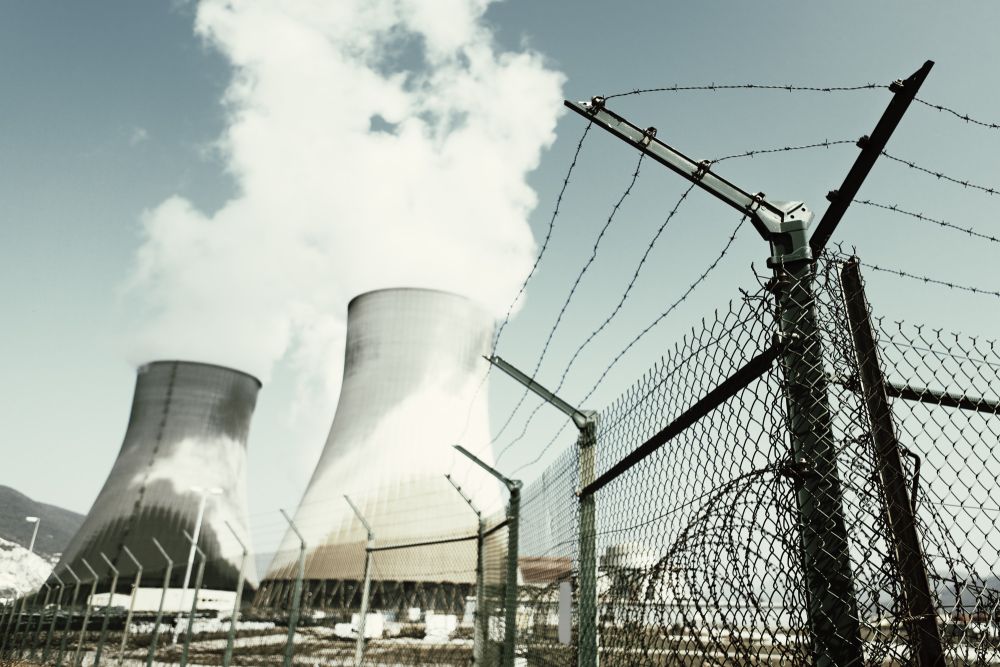
According to reporting by ESG Dive, the company has reached agreements with TerraPower, Oklo, and Vistra as part of a broader effort to secure between 1 and 6.6 gigawatts of new nuclear capacity. The power would be used primarily to support Meta’s rapidly expanding data center footprint, driven by rising demand for artificial intelligence and cloud computing services.
Why Meta is Turning to Nuclear
Like other large technology companies, Meta has committed to operating on 100% renewable energy and achieving net-zero emissions across its value chain. However, the scale and intensity of AI workloads are challenging the limits of wind and solar alone, which are variable by nature and often constrained by grid congestion and permitting delays.
Nuclear energy offers firm, always available power with very low lifecycle emissions. For companies running energy-intensive data centers around the clock, this reliability is increasingly seen as essential. Meta’s move reflects a broader industry shift, as firms look for solutions that can complement renewables while maintaining climate commitments.
Meta has stated that the agreements are intended to support new nuclear generation rather than divert existing clean power from the grid. This point is important from a policy and sustainability perspective, as critics have warned that corporate power purchases should add capacity rather than reshuffle scarce low-carbon resources.
The Role of Advanced Nuclear Technologies
Two of Meta’s partners, TerraPower and Oklo, are developing advanced nuclear reactor designs that differ from traditional large-scale plants. TerraPower is working on a sodium-cooled fast reactor paired with molten salt energy storage, a system designed to provide flexible output and integrate more easily with renewable energy. Oklo is developing smaller fast reactors that aim to reduce construction time and upfront capital costs.
While none of these projects are yet operational, Meta’s agreements signal confidence in their long-term potential. The deals are structured to support future deployment once regulatory approvals are secured and construction timelines are finalized. For the nuclear sector, such commitments from major corporate buyers can help the risk projects and attract additional investment.
Vistra’s involvement brings a different dimension. As an established utility with existing nuclear assets, Vistra can offer operational expertise and grid integration capabilities. Partnerships between utilities and technology companies may become more common as demand for clean, firm power continues to grow.
Implications for Energy Markets and Grids
Meta’s pursuit of up to 6.6 gigawatts of nuclear capacity is notable not only for its size, but also for what it suggests about future electricity demand. AI-driven data centers are expected to consume significantly more power than traditional facilities, with some estimates suggesting that global data center electricity demand could double within the next decade.
This trend has implications for grid planning, permitting, and public policy. Governments and regulators are under pressure to accelerate clean energy deployment while maintaining reliability. Nuclear energy, long sidelined in some markets due to cost and political concerns, is increasingly being reconsidered as part of the solution.
However, challenges remain. Advanced nuclear technologies still face regulatory hurdles, long development timeline,s and public acceptance issues. Even with corporate support, bringing new reactors online can take many years. In the near term, Meta and its peers are likely to rely on a mix of renewables, energy storage, efficiency measures, and grid purchases to meet growing demand.
What It Means for Net-Zero Strategies
For sustainability and net-zero professionals, Meta’s move highlights a key reality: decarbonization at scale requires a diverse portfolio of solutions. Wind and solar remain critical, but firm low-carbon power sources such as nuclear may be necessary to support energy-intensive sectors without increasing emissions.
The agreements also raise questions about how corporate climate targets are defined and assessed. Long-term nuclear investments may not immediately reduce emissions if projects take years to come online, but they can play a crucial role in aligning future growth with climate goals.
As AI continues to reshape industries, the energy choices made by large technology companies will have ripple effects across power markets, infrastructure investment, and climate policy. Meta’s nuclear deals suggest that the race to net-zero is entering a new phase, one where reliability and scale are becoming just as important as renewable capacity.
Source: www.esgdive.com

Mentioned in this article...
Organizations
More related content

OMV Warns Rigid Recycling Rules May Slow Plastics Innovation
Wind and Solar Overtake Fossil Fuels in EU Power Generation
OpenAI Outlines Strategy to Control Rising Data Centre Energy Costs