Indonesia Targets Illegal Mining Across 190,000 Hectares of Forest by 2026

Cut through the green tape
We don't push agendas. At Net Zero Compare, we cut through the hype and fear to deliver the straightforward facts you need for making informed decisions on green products and services. Whether motivated by compliance, customer demands, or a real passion for the environment, you’re welcome here. We provide reliable information. Why you seek it is not our concern.
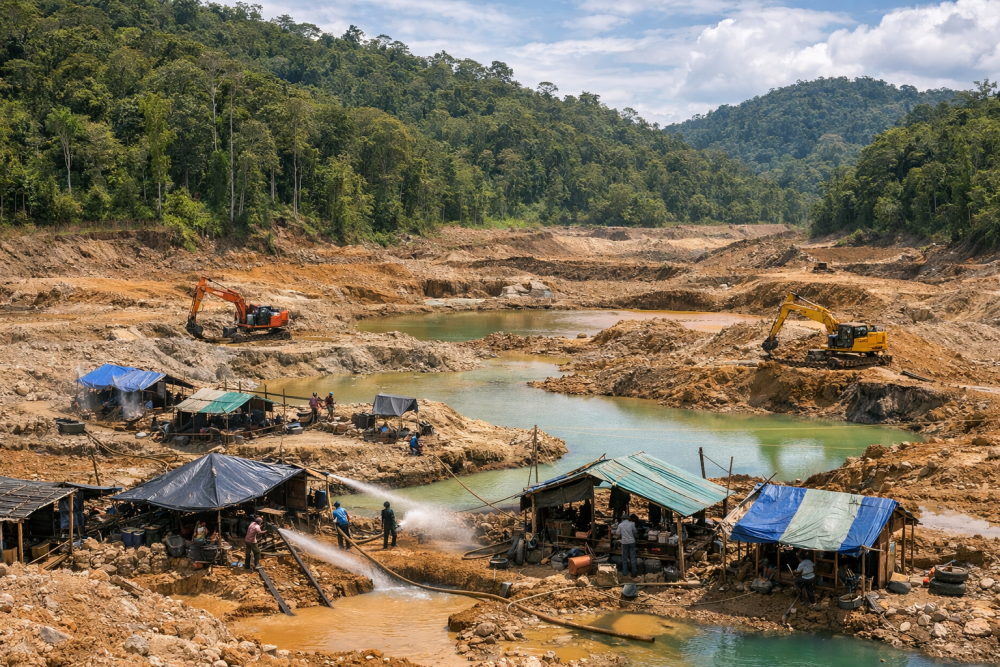
Indonesia has announced a major effort to curb illegal mining operations across approximately 190,000 hectares of forest land, setting a target to bring affected areas under control by 2026. The plan reflects growing concern within the government about the environmental, fiscal, and climate impacts of unregulated extraction, particularly in forested and protected regions. The policy direction was reported by Reuters and forms part of Indonesia’s broader environmental governance agenda.
Illegal mining remains widespread in parts of the country, driven by high global demand for coal, gold, nickel, and other minerals. Many of these activities take place without permits, environmental impact assessments, or land rehabilitation obligations. As a result, they often cause extensive deforestation, soil erosion, river pollution, and loss of biodiversity, while also depriving the state of tax and royalty revenues.
Scale and Environmental Impact
Government data indicate that illegal mining currently affects around 190,000 hectares of forest land nationwide. This includes areas inside production forests as well as zones designated for conservation. Forest clearance linked to mining contributes directly to greenhouse gas emissions and undermines Indonesia’s efforts to reduce deforestation, one of the country’s largest sources of emissions.
Environmental damage from illegal mining extends beyond forest loss. Mercury contamination from informal gold mining has polluted rivers and soils in several regions, posing risks to human health and agriculture. Open-pit mining has altered landscapes and disrupted watersheds, increasing flood risks and long-term ecological degradation.
Enforcement and Land Restoration Plans
Authorities have stated that the response will involve closing illegal mining sites, prosecuting operators, and reclaiming damaged land. Law enforcement agencies are expected to work alongside forestry and environmental authorities to identify illegal operations and prevent them from reopening.
Land restoration is a central element of the plan. Rehabilitating former mining sites can involve recontouring land, treating contaminated soil, and replanting vegetation. While technically challenging and costly, successful restoration could help rebuild carbon sinks, protect biodiversity, and support local ecosystems over time.
Alignment with Climate and Net-Zero Goals
The crackdown on illegal mining aligns with Indonesia’s longer-term climate commitments, including its pledge to reach net-zero emissions by 2060 or earlier. Forest protection and restoration are critical to achieving this goal, as land use change remains a major contributor to national emissions.
Indonesia has also engaged in international partnerships aimed at reducing deforestation and improving land governance. Addressing illegal mining strengthens the credibility of these commitments and may support access to climate finance tied to forest conservation and emissions reductions.
Implications for Mining Companies and Supply Chains
For legally operating mining companies, stronger enforcement could level the playing field. Illegal operators often evade environmental and labor standards, enabling them to sell minerals at lower prices. Reducing illegal supply may improve market transparency and reduce unfair competition.
At the same time, companies involved in global mineral supply chains face increased expectations around traceability. Minerals such as nickel and bauxite are critical to batteries, electric vehicles, and renewable energy infrastructure. Buyers and manufacturers are under pressure from regulators and investors to ensure that raw materials are not linked to deforestation or illegal land use. Indonesia’s actions may therefore influence procurement strategies and supplier due diligence requirements.
Investor and Financial Sector Considerations
The announcement also carries implications for investors and lenders. Illegal mining represents a governance and ESG risk, potentially exposing companies and projects to legal action, operational disruptions, and reputational damage. By signaling a tougher stance, the Indonesian government may reduce long-term systemic risks in the mining sector, though short-term enforcement actions could disrupt informal supply networks.
Financial institutions increasingly integrate deforestation and land use risks into credit and investment decisions. Progress in tackling illegal mining could improve Indonesia’s attractiveness for sustainable investment, particularly in sectors linked to the energy transition.
Challenges to Implementation
Despite the clear policy intent, implementation remains complex. Indonesia’s vast geography and decentralized administrative system can make enforcement uneven, especially in remote regions. Illegal mining is often linked to local livelihoods, creating social and economic sensitivities.
Previous crackdowns on illegal activities have shown that enforcement alone may not be sufficient. Complementary measures such as alternative employment opportunities, community engagement, and clearer pathways to legal small-scale mining could be necessary to achieve lasting results.
Outlook Toward 2026
The 2026 target provides a defined timeline for progress, but success will depend on sustained political commitment, adequate funding, and coordination across agencies. Monitoring outcomes such as reduced forest loss, restored land area, and successful prosecutions will be key indicators of effectiveness.
If achieved, Indonesia’s plan to tackle illegal mining across 190,000 hectares of forest land could deliver meaningful environmental benefits, strengthen governance in the extractive sector, and support the country’s transition toward a lower-carbon and more sustainable economy.
Source: www.reuters.com

Mentioned in this article...
Organizations
More related content

OMV Warns Rigid Recycling Rules May Slow Plastics Innovation
Wind and Solar Overtake Fossil Fuels in EU Power Generation

OpenAI Outlines Strategy to Control Rising Data Centre Energy Costs