India Signals No Immediate Expansion of Coal Power Capacity Beyond 2035

Cut through the green tape
We don't push agendas. At Net Zero Compare, we cut through the hype and fear to deliver the straightforward facts you need for making informed decisions on green products and services. Whether motivated by compliance, customer demands, or a real passion for the environment, you’re welcome here. We provide reliable information. Why you seek it is not our concern.
India has no immediate plans to add new coal-fired power generation capacity beyond 2035, a senior government official said, marking an important signal in the country’s long-term energy strategy. While coal continues to dominate India’s electricity mix today, policymakers increasingly expect renewable energy and supporting infrastructure to shoulder most future demand growth after the mid-2030s.
The statement comes at a time when India is managing the twin pressures of rapid economic growth and rising electricity consumption. As the world’s third-largest carbon emitter, India’s power sector choices are closely watched by global energy markets, climate analysts, and investors. Any indication that coal expansion may slow has implications well beyond national borders.
Coal’s Ongoing Role in Energy Security
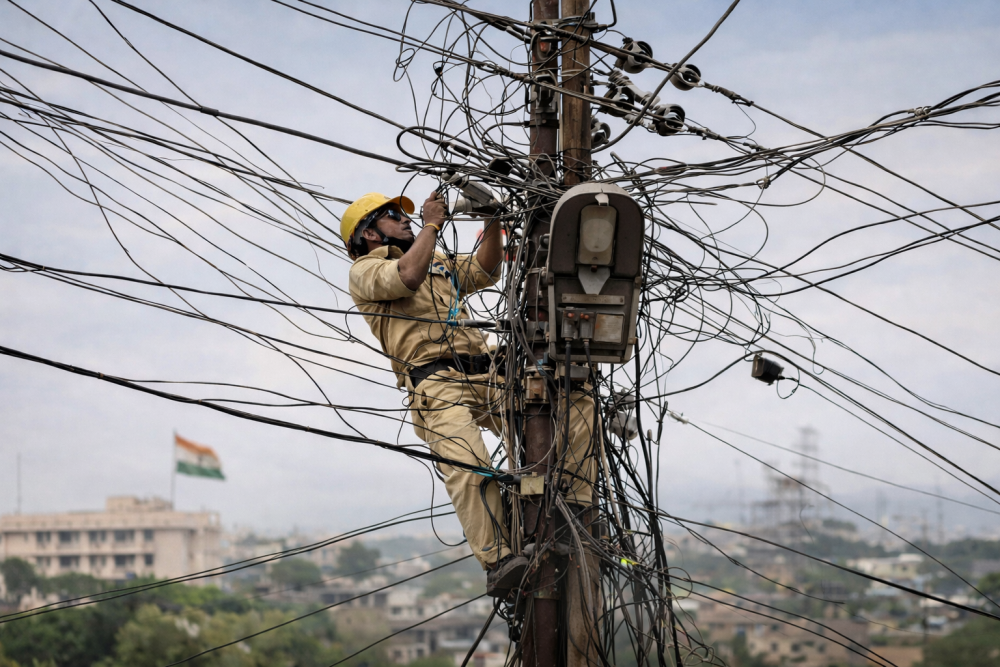
Coal currently accounts for around 70% of India’s electricity generation. It provides reliable baseload power and helps insulate the country from volatile global gas markets. In recent years, particularly during periods of extreme heat, coal-fired plants have been critical in preventing widespread power shortages.
The government official clarified that the absence of plans beyond 2035 does not mean an immediate reduction in coal use. India has a substantial pipeline of coal projects already under construction or approved, many of which will come online through the early to mid-2030s. Existing plants are also expected to operate for decades, ensuring that coal remains a central pillar of the power system in the medium term.
Shift Toward Renewables and Non-Fossil Capacity
India has set an ambitious target of reaching 500 gigawatts of non-fossil fuel power capacity by 2030. This includes solar, wind, hydropower, and nuclear energy. From a current base of roughly 190 gigawatts, the scale-up required over the next decade is substantial.
Large solar parks, wind corridors, and hybrid renewable projects are being rolled out across multiple states. Competitive auctions have helped reduce costs, making renewables increasingly attractive compared with new coal capacity. Policymakers argue that by the mid-2030s, renewables supported by storage and flexible grids will be capable of meeting incremental demand without the need for additional coal plants.
Grid Expansion and Storage as Key Enablers
One of the main challenges in reducing reliance on new coal capacity is managing the variability of renewable energy. Solar and wind generation fluctuate with weather conditions, requiring a more flexible and resilient power system.
To address this, India is investing heavily in transmission infrastructure, including new interstate power corridors and upgrades to existing lines. Battery storage and pumped hydro projects are also being promoted to provide backup capacity and stabilize the grid during periods of low renewable output. These investments are seen as essential if coal capacity growth is to be capped beyond current plans.
Implications for Industry and Investors
The signal on coal capacity planning provides clearer guidance for a range of stakeholders. Utilities, equipment manufacturers, and coal suppliers can adjust long-term investment strategies with greater certainty. At the same time, renewable energy developers, storage providers, and grid technology firms are likely to see stronger policy alignment with their growth plans.
Financial institutions are also expected to factor this outlook into lending and risk assessments. As global capital markets increasingly scrutinize exposure to coal assets, clarity on India’s long-term direction may influence both domestic and international investment flows.
Climate Commitments and Global Context
India has pledged to achieve net-zero emissions by 2070 and to reduce the emissions intensity of its economy by 45% by 2030 compared with 2005 levels. Limiting the growth of coal capacity beyond the mid-2030s could help contain long-term emissions and reduce the risk of locking in high-carbon infrastructure.
Internationally, India continues to argue for a differentiated transition pathway, emphasizing development needs and historical responsibility. While some emerging economies are still planning significant coal expansion, India’s position suggests a more cautious approach, balancing development priorities with long-term decarbonisation goals.
Regional and Social Challenges
Despite the strategic shift, coal-dependent regions face uncertainty. Several Indian states rely heavily on coal mining and power generation for employment and public revenues. Managing a gradual transition will require targeted policies for economic diversification, reskilling, and social support.
The central government has acknowledged these challenges, but comprehensive just transition frameworks are still evolving. How effectively these issues are addressed will shape the political and social feasibility of limiting coal expansion in the long run.
A Gradual but Clear Direction
India’s message is one of measured transition rather than abrupt change. Coal will remain indispensable in the near and medium term, but its future growth is being deliberately constrained. The long-term direction points toward renewables, grid flexibility, and energy efficiency as the backbone of the power system after 2035.
For industries, policymakers, and investors, the signal is clear: while coal continues to anchor India’s electricity supply today, the country’s future energy growth is expected to come increasingly from cleaner sources supported by modern infrastructure.
Source: www.reuters.com

Mentioned in this article...
More related content

OMV Warns Rigid Recycling Rules May Slow Plastics Innovation
Wind and Solar Overtake Fossil Fuels in EU Power Generation
OpenAI Outlines Strategy to Control Rising Data Centre Energy Costs