Google Secures 1.2 GW of Carbon-Free Power from Clearway to Supply U.S. Data Centers

Cut through the green tape
We don't push agendas. At Net Zero Compare, we cut through the hype and fear to deliver the straightforward facts you need for making informed decisions on green products and services. Whether motivated by compliance, customer demands, or a real passion for the environment, you’re welcome here. We provide reliable information. Why you seek it is not our concern.
Google has announced a major clean energy procurement agreement that will deliver 1.2 GW of carbon-free electricity from new renewable projects developed by Clearway Energy. The electricity will support Google’s growing fleet of US data centers, whose energy needs are increasing rapidly due to cloud services, artificial intelligence, and data-intensive digital applications.
The projects covered by the agreements are expected to be built over the coming years and connected to regional power grids where Google operates large data center campuses. By sourcing power locally, the company aims to reduce emissions associated with its electricity consumption while contributing new clean generation capacity to the U.S. grid.
At 1.2 GW, the scale of the procurement is substantial. It is comparable to the capacity of a large fossil fuel power station and represents one of the largest single clean energy deals announced by a corporate buyer to date.
Wind, Solar, and Storage as a Combined Solution
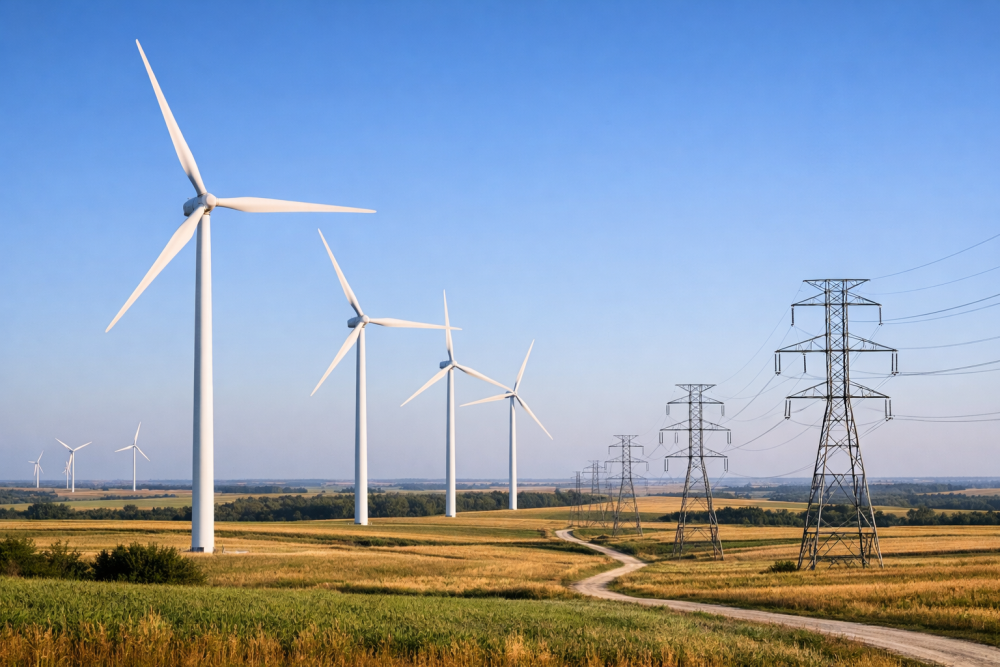
The portfolio of projects developed by Clearway Energy will include a mix of wind and solar generation, alongside battery energy storage systems. This combination is increasingly seen as critical for supporting large, always-on electricity users such as data centers.
Wind and solar generation alone are variable, producing electricity only when weather conditions allow. Battery storage helps smooth this variability by storing excess generation and releasing it during periods of higher demand or lower renewable output. For Google, this approach supports its broader ambition to operate on carbon-free energy 24 hours a day, 7 days a week, rather than simply matching annual electricity use with renewable certificates.
From a grid perspective, the inclusion of storage can also improve system reliability and reduce pressure during peak demand periods, especially in regions where data center growth is accelerating.
Long-Term Contracts Supporting New Projects
The agreements are structured as long-term power purchase contracts, under which Clearway Energy will develop, own, and operate the renewable assets. Google will purchase the electricity generated over multi-decade periods, providing stable revenue that helps finance construction and operation.
Such contracts have become a cornerstone of renewable energy development in the United States. By securing a committed buyer before projects are built, developers can reduce financial risk and access capital at a lower cost. For corporate buyers, long-term contracts offer price stability and protection against future electricity market volatility.
This model has been particularly important in enabling renewable energy growth in competitive power markets, where utilities may not be required to procure new clean generation on their own.
Data Centers and Rising Electricity Demand
The announcement comes at a time when electricity demand from data centers is rising sharply. Industry estimates suggest that U.S. data center electricity consumption could double by the early 2030s, driven largely by artificial intelligence workloads and expanded digital infrastructure.
This rapid growth has raised concerns among grid operators, regulators, and policymakers about capacity constraints and emissions impacts. Without a new generation, increased data center demand could lead to higher reliance on fossil fuel power plants, particularly during peak periods.
Large-scale clean energy procurement agreements like Google’s are increasingly viewed as a way for major electricity users to take responsibility for their demand growth by directly enabling new low-carbon generation.
Alignment with U.S. Energy Policy Trends
The timing of the deal also reflects favorable policy conditions for renewable energy development in the United States. Federal tax credits and incentives, particularly those strengthened under the Inflation Reduction Act, have improved the economics of wind, solar, and energy storage projects.
At the same time, corporate demand for clean electricity continues to grow, with technology companies among the largest buyers globally. Their long-term planning horizons and strong balance sheets make them well-suited to support large infrastructure investments that align climate goals with business needs.
For Clearway Energy, partnerships with corporate buyers like Google provide an additional pathway to market beyond traditional utility contracts, helping to diversify revenue streams and accelerate project pipelines.
Broader Implications for Grids and Communities
While corporate renewable energy deals deliver clear climate benefits, they also raise broader questions about grid planning and local impacts. Large data centers can place significant demands on transmission infrastructure and local resources, requiring careful coordination with utilities and regulators.
Ensuring that new renewable projects are accompanied by adequate transmission capacity and community engagement will be essential to avoid bottlenecks and delays. Developers and corporate buyers are increasingly expected to work closely with local stakeholders to address land use, environmental, and economic considerations.
A Signal for the Future of Clean Power Procurement
Google’s 1.2 GW agreement with Clearway Energy underscores the growing influence of corporate buyers in shaping the US electricity system. As data center demand continues to rise, similar large-scale, long-term clean energy commitments are likely to become more common.
For the renewable energy sector, these deals provide confidence that demand for new projects will remain strong. For the broader energy transition, they highlight how private-sector action can complement public policy in driving emissions reductions and supporting grid transformation.
Source: esgnews.com

Mentioned in this article...
Organizations
More related content

OMV Warns Rigid Recycling Rules May Slow Plastics Innovation
Wind and Solar Overtake Fossil Fuels in EU Power Generation
OpenAI Outlines Strategy to Control Rising Data Centre Energy Costs