Global Renewable Energy Investment Reached USD 807 Billion in 2024, IRENA Says

Cut through the green tape
We don't push agendas. At Net Zero Compare, we cut through the hype and fear to deliver the straightforward facts you need for making informed decisions on green products and services. Whether motivated by compliance, customer demands, or a real passion for the environment, you’re welcome here. We provide reliable information. Why you seek it is not our concern.
Global investment in renewable energy reached USD 807 billion in 2024, marking one of the strongest years on record for clean energy finance, according to new figures released by the International Renewable Energy Agency. The data highlights both the resilience of renewables in challenging macroeconomic conditions and the scale of investment still required to align global energy systems with climate and development goals.
The 2024 total represents a significant increase compared with levels seen earlier in the decade and reflects sustained policy support, falling technology costs in some segments, and rising demand for clean power. However, IRENA warns that the current pace of investment remains insufficient to meet the tripling of global renewable capacity by 2030 agreed by governments at COP28.
Solar and Wind Dominate Capital Flows
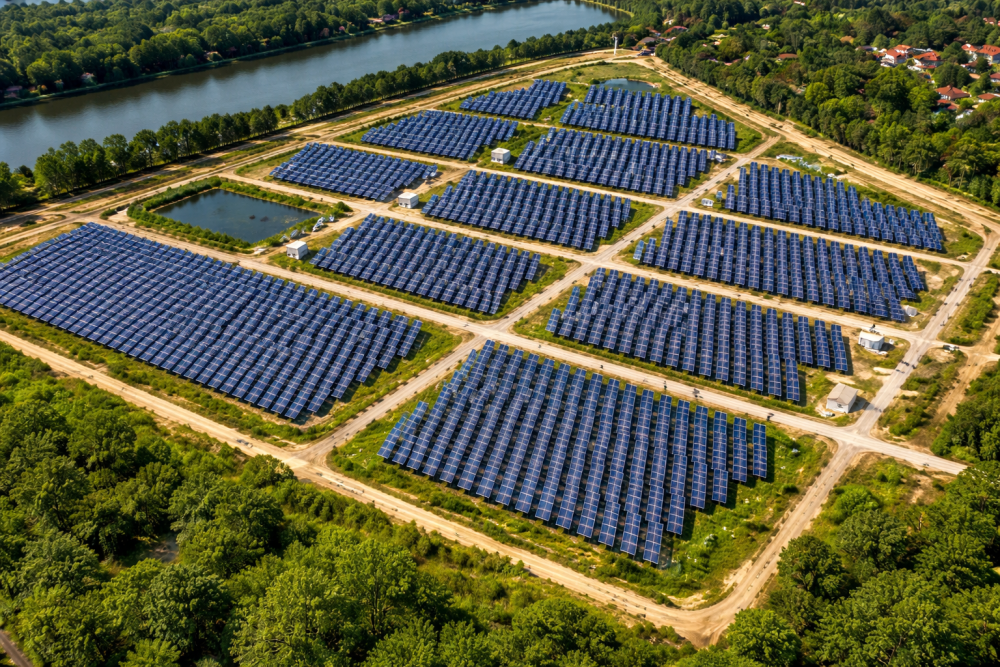
Solar photovoltaic technologies continued to attract the largest share of global renewable energy investment in 2024. Utility-scale solar and distributed rooftop systems accounted for well over half of total spending, driven by strong deployment in China, the European Union, India, and parts of the Middle East. Declining module prices and shorter project lead times compared with other energy assets reinforced solar’s position as the most accessible entry point for many investors.
Wind power, particularly onshore wind, represented the second-largest investment category. While offshore wind investment slowed in some markets due to higher financing costs and supply chain constraints, new capacity additions remained robust in Asia and northern Europe. IRENA notes that stabilizing interest rates and improving permitting frameworks could unlock renewed momentum for offshore projects later in the decade.
Other renewable technologies, including hydropower, bioenergy, geothermal, and concentrated solar power, continued to receive comparatively modest investment. In many cases, higher upfront costs, longer development timelines, and regulatory complexity limited capital flows despite the system-level value these technologies can provide for grid stability and flexibility.
Regional Concentration Remains a Structural Challenge
A key finding in the 2024 data is the continued concentration of renewable energy investment in a small number of countries. China, the European Union, and the United States together accounted for the majority of global spending. Emerging economies in Africa, parts of Southeast Asia, and Latin America attracted a disproportionately small share of capital relative to their renewable resource potential and energy demand growth.
IRENA highlights this imbalance as one of the most pressing challenges for the global energy transition. Many developing and least developed countries face higher costs of capital, limited access to long-term finance, and currency risks that deter private investors. Without targeted international support, these regions risk falling further behind, undermining both climate objectives and energy access goals.
Investment Gaps Versus Net-Zero Pathways
Despite the record headline figure, IRENA estimates that annual global renewable energy investment needs to rise to more than USD 1.5 trillion by the early 2030s to stay on track for net-zero emissions by mid-century. This implies nearly doubling current annual investment levels within less than a decade.
The shortfall is particularly acute in grid infrastructure, energy storage, and system integration. While generation assets attract most attention, insufficient spending on transmission, distribution, and digital grid technologies increasingly constrains renewable deployment. Curtailment, connection delays, and congestion are already emerging as material risks in several mature markets.
Role of Policy and Regulation
Policy frameworks continue to play a decisive role in shaping investment outcomes. Markets with stable renewable energy targets, predictable auction schedules, and clear permitting processes attracted significantly more capital in 2024. Conversely, regulatory uncertainty, retroactive policy changes, and slow approval timelines dampened investor confidence in some jurisdictions.
IRENA stresses that long-term visibility is particularly important as renewable projects become more capital-intensive and integrated with storage, hydrogen production, and industrial demand. Clear signals on carbon pricing, power market reform, and electrification strategies can reduce risk premiums and unlock private capital at scale.
Implications for Industry and Investors
For energy developers, equipment manufacturers, and utilities, the 2024 investment figures confirm that renewables remain the core growth segment of the global energy system. However, competition is intensifying, margins are tightening in some markets, and success increasingly depends on operational efficiency, grid access, and financing expertise.
Institutional investors and lenders are likely to face growing pressure to expand exposure to renewable energy, particularly in emerging markets. Blended finance mechanisms, public guarantees, and development bank participation will be critical to crowding in private capital where risks remain elevated.
Governments, meanwhile, face a narrowing window to close the investment gap. Scaling renewables fast enough to meet climate targets will require coordinated action across energy policy, industrial strategy, and financial regulation. The USD 807 billion invested in 2024 demonstrates what is possible, but also highlights how far the global energy system still has to go.
Source: www.irena.org

Mentioned in this article...
Organizations
More related content

OMV Warns Rigid Recycling Rules May Slow Plastics Innovation
Wind and Solar Overtake Fossil Fuels in EU Power Generation
OpenAI Outlines Strategy to Control Rising Data Centre Energy Costs