Glencore Acquires Majority Stake in Dutch Fuel Distributor FincoEnergies


Cut through the green tape
We don't push agendas. At Net Zero Compare, we cut through the hype and fear to deliver the straightforward facts you need for making informed decisions on green products and services. Whether motivated by compliance, customer demands, or a real passion for the environment, you’re welcome here. We provide reliable information. Why you seek it is not our concern.
Glencore has announced the acquisition of a majority stake in Dutch fuel distributor FincoEnergies, marking a further step by the Swiss-based commodities giant to expand its downstream energy footprint in Europe. The transaction, reported by Reuters, reflects a broader trend among global energy traders and producers to secure positions closer to end users while navigating the gradual shift away from fossil fuels.
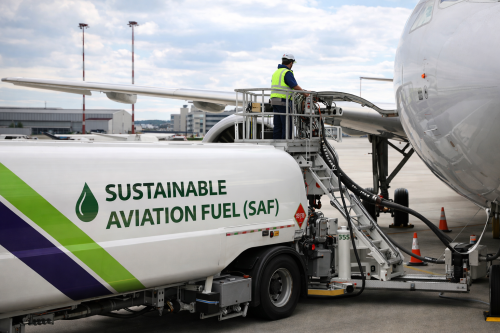
FincoEnergies is active across the Netherlands, Belgium, Germany, and Switzerland, supplying marine fuels, industrial fuels, and mobility solutions. The company also markets biofuels and renewable alternatives, positioning itself as a distributor able to serve both conventional energy demand and emerging low-carbon requirements. Financial terms of the deal were not disclosed, and the transaction remains subject to customary regulatory approvals.
For Glencore, the investment provides access to established logistics, storage, and customer networks in some of Europe’s most energy-intensive regions. The group is one of the world’s largest commodity traders, with major businesses in coal, oil, metals, and minerals. While coal remains a significant earnings contributor, Glencore has increasingly highlighted its role in supplying materials critical to the energy transition, such as copper, cobalt, and nickel, while also reshaping its oil and fuel trading activities.
According to the Reuters report, FincoEnergies’ existing management team will retain a minority stake and continue to run day-to-day operations. This structure suggests continuity for customers while allowing Glencore to integrate the distributor into its broader energy trading and supply platform.
Strategic Context in Europe’s Fuel Market
The acquisition comes at a time when Europe’s fuel distribution sector is under pressure from tightening climate policies, volatile energy prices, and shifting demand patterns. The European Union has committed to achieving climate neutrality by 2050, with interim targets requiring significant reductions in greenhouse gas emissions from transport, industry, and shipping.
Fuel distributors such as FincoEnergies sit at the interface between global energy markets and local consumers. Their ability to blend conventional fuels with biofuels, renewable diesel, or other lower-carbon options has become increasingly important for customers seeking compliance with emissions regulations or corporate sustainability goals.
By acquiring a majority stake, Glencore gains a platform that can support this transition while maintaining exposure to traditional fuel demand that is expected to persist for decades, particularly in heavy transport, marine shipping, and industrial applications where alternatives are not yet widely available.
Implications for Net-Zero and Sustainability
From a net-zero perspective, the deal illustrates the complexity of the energy transition rather than a simple shift away from fossil fuels. Glencore has faced criticism from environmental groups for its coal production and oil trading activities, even as it promotes its role in supplying transition metals. Investments in fuel distribution may appear contradictory, but they also reflect the reality that managing the decline of fossil fuels requires control over supply chains and customer relationships.
FincoEnergies has positioned itself as an energy solutions provider rather than a traditional fuel seller. Its portfolio includes biofuels for road transport and shipping, as well as advisory services to help clients reduce emissions. With Glencore’s trading capabilities and capital backing, the company could expand access to alternative fuels or scale up supply where regulation or demand supports it.
However, whether such acquisitions accelerate decarbonisation or simply extend the life of fossil fuel infrastructure will depend on how aggressively lower-carbon products are prioritised. For policymakers and sustainability-focused investors, this distinction will be critical.
Industry Trend Among Commodity Traders
Glencore’s move mirrors similar strategies by other large commodity trading houses, which have been investing in downstream assets such as storage terminals, fuel distributors, and power generation. These assets provide more stable cash flows than pure trading and allow companies to capture value across the supply chain.
At the same time, energy traders are under increasing scrutiny from regulators and stakeholders over transparency, emissions reporting, and alignment with climate targets. Ownership of downstream businesses can both increase exposure to regulatory risk and create opportunities to influence emissions outcomes.
In northwest Europe, where carbon pricing, fuel standards, and sustainability reporting requirements are among the most advanced globally, distributors like FincoEnergies operate in a highly regulated environment. This may help Glencore better understand and adapt to evolving policy frameworks.
Outlook and Next Steps
The transaction is expected to close in 2026, subject to regulatory approval. In the near term, customers are unlikely to see immediate changes, as FincoEnergies will continue operating under its existing brand and management. Over time, closer integration with Glencore could influence sourcing strategies, pricing structures, and the availability of alternative fuels.
For the broader energy sector, the deal underscores how incumbent players are positioning themselves for a prolonged transition rather than a rapid break from fossil fuels. As Europe pushes toward net-zero, investments that straddle conventional and low-carbon energy will remain controversial but increasingly common.
How Glencore uses its majority stake to steer FincoEnergies’ product mix and investment priorities will be closely watched by regulators, customers, and sustainability analysts alike.
Source: www.reuters.com

Mentioned in this article...
Organizations
Glossary terms
More related content

OMV Warns Rigid Recycling Rules May Slow Plastics Innovation
Wind and Solar Overtake Fossil Fuels in EU Power Generation
OpenAI Outlines Strategy to Control Rising Data Centre Energy Costs