Ford Integrates Electric Vehicles Into Core Sustainability Strategy

Cut through the green tape
We don't push agendas. At Net Zero Compare, we cut through the hype and fear to deliver the straightforward facts you need for making informed decisions on green products and services. Whether motivated by compliance, customer demands, or a real passion for the environment, you’re welcome here. We provide reliable information. Why you seek it is not our concern.
Ford Motor Company is reconfiguring its sustainability strategy to reflect the accelerating transition toward electric vehicles, embedding electrification more deeply into its environmental, social, and governance priorities. The move signals a broader shift from incremental efficiency gains toward systemic change across product design, manufacturing operations, and supplier engagement.
The company’s updated approach recognises that vehicle electrification is no longer a peripheral innovation programme but a central lever for emissions reduction. Road transport remains one of the largest contributors to global greenhouse gas emissions, and automakers face increasing scrutiny over both tailpipe emissions and the broader environmental footprint of vehicle production. For Ford, integrating EVs into its sustainability strategy means addressing emissions across the full vehicle lifecycle rather than focusing solely on fuel economy improvements.
Electrification as a Decarbonisation Driver
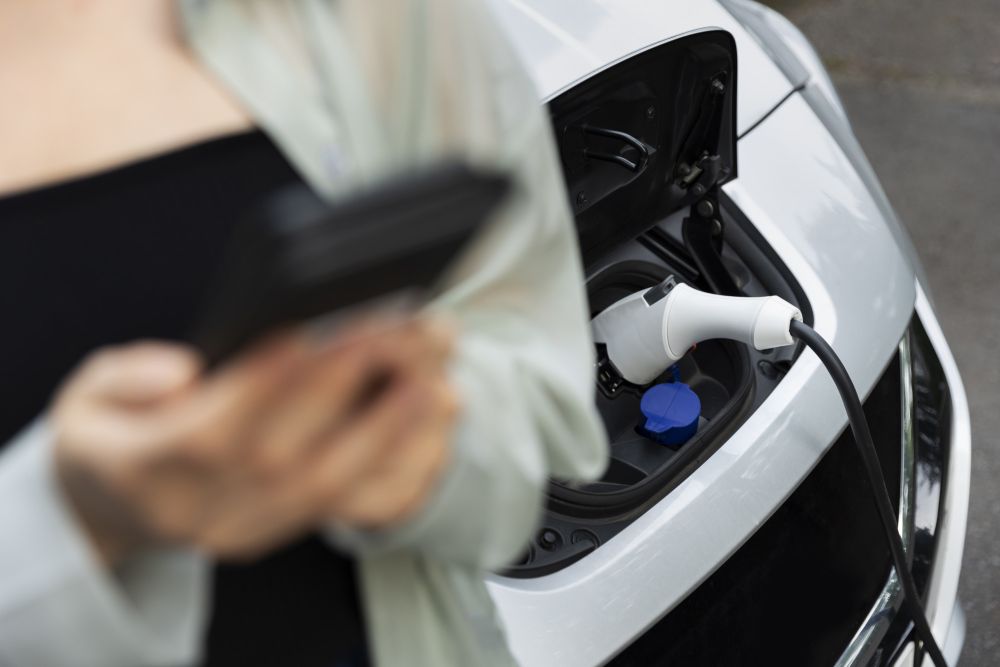
Ford’s sustainability repositioning aligns with its expanding EV portfolio, which includes electric passenger cars, commercial vans, and pickup trucks. These models are intended to reduce direct emissions during use, particularly in markets where electricity grids are progressively decarbonising. However, the company has also acknowledged that the climate impact of EVs depends heavily on how vehicles are built, how batteries are sourced, and how energy is generated.
As a result, Ford’s strategy increasingly links EV expansion with clean energy procurement for manufacturing facilities. The company has set targets to source renewable electricity for its global operations, aiming to reduce Scope 2 emissions from factories and offices. This includes power purchase agreements, on-site renewable generation, and collaboration with utilities to expand clean power availability in key manufacturing regions.
Addressing Supply Chain Emissions
A central challenge in Ford’s sustainability strategy is reducing Scope 3 emissions, which account for the majority of its climate footprint. These emissions largely originate from raw material extraction, component manufacturing, logistics, and vehicle use by customers. Battery materials such as lithium, nickel, cobalt, and graphite are particularly significant due to their energy-intensive extraction and processing.
Ford has stated that it is working with suppliers to improve transparency and environmental performance across its value chain. This includes expectations around emissions reporting, responsible sourcing, and energy use. By tying supplier requirements more closely to its EV roadmap, the company aims to ensure that electrification delivers genuine climate benefits rather than shifting emissions upstream.
The strategy also reflects growing regulatory pressure in major markets. New vehicle emissions standards in the European Union, the United States, and parts of Asia increasingly consider lifecycle emissions and supply chain impacts. Automakers that fail to demonstrate credible decarbonisation pathways may face compliance risks, higher costs, or restricted market access.
Manufacturing Transformation and Circularity
Electrification is also driving changes in Ford’s manufacturing processes. EV production requires different assembly techniques, new component flows, and greater emphasis on battery pack integration. Ford has linked its sustainability goals to efforts to modernise plants, improve energy efficiency, and reduce waste.
Circular economy principles are becoming more prominent in this transformation. Battery recycling, material recovery, and reuse are emerging priorities as EV volumes increase. Ford has indicated that it is exploring partnerships and technologies to recover valuable materials from end-of-life batteries, reducing reliance on virgin resources and lowering the environmental impact of future vehicle production.
These measures are not only environmental in nature but also strategic. Volatility in critical mineral markets and geopolitical risks have highlighted the importance of secure and sustainable supply chains. By embedding circularity into its EV strategy, Ford aims to improve resilience while supporting its emissions reduction objectives.
Implications for Customers and Fleets
For customers, Ford’s sustainability shift reinforces the positioning of EVs as a mainstream solution rather than a niche alternative. This is particularly relevant for commercial fleets, where operating costs, emissions reporting, and regulatory compliance are becoming more important purchasing factors.
Electric vans and trucks offer the potential to reduce fuel costs and meet urban emissions regulations, especially in cities introducing low-emission or zero-emission zones. Ford’s sustainability narrative increasingly links vehicle electrification with broader mobility outcomes, such as reduced urban air pollution and lower total cost of ownership over a vehicle’s lifespan.
However, challenges remain. Charging infrastructure availability, grid capacity, and electricity pricing continue to influence EV adoption rates. Ford’s strategy acknowledges these barriers and points to the need for collaboration with governments, utilities, and infrastructure providers to ensure that electrification scales effectively.
Strategic Positioning in a Competitive Market
Ford’s integration of EVs into its sustainability framework also reflects intensifying competition within the automotive sector. Global automakers are racing to electrify product lines, secure battery supply, and demonstrate credible climate commitments to investors and regulators. Sustainability performance is increasingly tied to access to capital, brand reputation, and long-term competitiveness.
By aligning its environmental strategy more closely with its EV investments, Ford aims to present a coherent narrative to stakeholders. Rather than treating sustainability as a reporting exercise, the company is positioning it as a driver of product strategy, operational decisions, and supplier relationships.
This approach mirrors a broader industry trend in which automakers are moving from high-level climate pledges toward detailed implementation plans. The effectiveness of Ford’s strategy will depend on execution, particularly its ability to reduce supply chain emissions, scale renewable energy use, and manage the environmental impacts of battery production.
Outlook
Ford’s reshaped sustainability strategy underscores the central role of electric vehicles in the automotive industry’s transition toward net zero. While EVs alone will not resolve all environmental challenges, their integration into a wider framework of clean energy, responsible sourcing, and circular manufacturing represents a more holistic approach to decarbonisation.
As regulatory standards tighten and customer expectations evolve, Ford’s experience highlights the complexity of aligning sustainability goals with industrial transformation. The coming years will test whether the company can translate strategic intent into measurable emissions reductions across its global operations and value chain.
Source: sustainabilitymag.com

Mentioned in this article...
Organizations
More related content

OMV Warns Rigid Recycling Rules May Slow Plastics Innovation
Wind and Solar Overtake Fossil Fuels in EU Power Generation
OpenAI Outlines Strategy to Control Rising Data Centre Energy Costs