ExxonMobil Cuts Planned Low-Carbon Investment by One-Third as Profit and Production Take Priority

Cut through the green tape
We don't push agendas. At Net Zero Compare, we cut through the hype and fear to deliver the straightforward facts you need for making informed decisions on green products and services. Whether motivated by compliance, customer demands, or a real passion for the environment, you’re welcome here. We provide reliable information. Why you seek it is not our concern.
ExxonMobil has announced a significant reduction in its planned investment in low-carbon energy projects, cutting its multi-year spending target by approximately one-third. The company will now allocate around $20 billion to lower-emissions initiatives through 2030, down from a previous target of roughly $30 billion. The decision forms part of a broader strategic update aimed at strengthening earnings and cash flow while maintaining overall capital discipline.
According to ExxonMobil, the revised allocation will enable the company to generate an additional $5 billion in annual earnings and cash flow by the end of the decade compared with earlier plans. This improvement is expected without increasing total capital expenditure, reflecting a sharper focus on projects with higher and more predictable returns.
Narrower Focus for Low-Carbon Projects
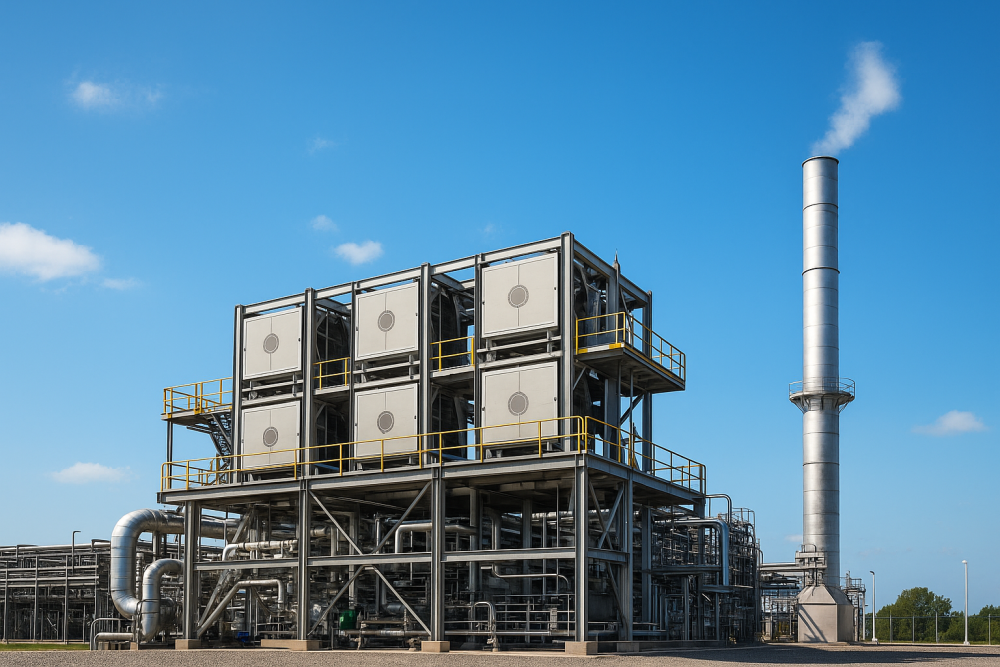
Under the updated strategy, ExxonMobil will continue to pursue lower-emissions initiatives, but with a more selective approach. The investment will focus on carbon capture and storage, hydrogen, and emissions-reduction technologies closely aligned with the company’s existing oil, gas, and industrial assets.
Management has indicated that future low-carbon projects will need to demonstrate clearer commercial viability and stronger customer demand. This approach reflects concerns about the slow pace of market development for some clean energy technologies and uncertainty around long-term policy support.
Carbon Capture and Storage at the Core
Carbon capture and storage remains the cornerstone of ExxonMobil’s lower-emissions strategy. The company is positioning itself as a major provider of carbon transport and storage services, particularly along the US Gulf Coast, where industrial emissions are concentrated.
These projects are designed to help industrial customers reduce emissions while creating new revenue streams for ExxonMobil. However, their success depends heavily on supportive regulation, government incentives, and long-term contractual commitments from customers, without which large-scale deployment remains challenging.
Slower Progress in Emerging Clean Energy Markets
The reduction in low-carbon spending also reflects slower-than-expected progress in emerging clean energy markets, particularly hydrogen. ExxonMobil has delayed development of a major hydrogen facility in Texas after struggling to secure sufficient customer demand.
Similar challenges are being faced across the sector, as high costs, limited infrastructure, and uncertain end-use markets constrain adoption. These conditions have prompted several oil and gas companies to reconsider the pace at which they scale investment in alternative fuels and energy carriers.
Industry-Wide Reassessment of Energy Transition Plans
ExxonMobil’s decision is consistent with a broader reassessment underway among major international oil and gas companies. Over the past year, several producers have revised renewable energy targets, reduced clean power investment, or redirected capital toward technologies that complement fossil fuel operations.
This shift reflects increased pressure from investors to prioritise capital discipline, shareholder returns, and balance sheet strength following periods of market volatility. As a result, many companies are favouring projects with shorter payback periods and lower execution risk.
Continued Growth in Oil and Gas Production
Alongside the reduction in low-carbon investment, ExxonMobil plans to expand its core oil and gas production significantly by 2030. The company expects output to reach around 5.5 million barrels of oil equivalent per day, driven by growth in the Permian Basin, offshore Guyana, and liquefied natural gas developments.
ExxonMobil argues that continued fossil fuel investment is necessary to meet rising global energy demand, particularly in developing economies. The company maintains that oil and gas will remain essential components of the global energy mix for decades to come.
Implications for Investors and Policy Makers
For investors focused on environmental, social, and governance criteria, the revised spending plan may raise concerns about ExxonMobil’s alignment with global net-zero goals. The company has previously faced shareholder pressure to strengthen its climate strategy, and reduced low-carbon commitments could intensify scrutiny from climate-focused funds.
Policy makers may also interpret the move as evidence that existing regulatory and incentive frameworks are insufficient to mobilise large-scale private investment in clean energy. Without stronger carbon pricing, clearer mandates, or long-term policy certainty, many low-carbon technologies remain less attractive than conventional oil and gas projects.
Ongoing Debate Over the Pace of Decarbonisation
ExxonMobil maintains that its strategy can still deliver emissions reductions through efficiency improvements, methane abatement, and carbon capture. Critics, however, question whether these measures can achieve emissions cuts at the scale and speed required to meet international climate targets, particularly as fossil fuel production expands.
The company’s revised investment plan underscores the complexity of the energy transition. For regulators, investors, and industrial stakeholders, it highlights the persistent gap between net-zero ambitions and capital allocation decisions, a challenge that continues to shape the future trajectory of the global energy system.
Source: www.ft.com

Mentioned in this article...
Organizations
More related content

OMV Warns Rigid Recycling Rules May Slow Plastics Innovation
Wind and Solar Overtake Fossil Fuels in EU Power Generation
OpenAI Outlines Strategy to Control Rising Data Centre Energy Costs