EU Set to Present Auto-Industry Support Package as 2035 Engine Ban Faces Review

Cut through the green tape
We don't push agendas. At Net Zero Compare, we cut through the hype and fear to deliver the straightforward facts you need for making informed decisions on green products and services. Whether motivated by compliance, customer demands, or a real passion for the environment, you’re welcome here. We provide reliable information. Why you seek it is not our concern.
The European Commission is preparing to announce a new support package for Europe’s automotive industry, with December 16 identified as the likely release date. According to industry sources, the package could include a revised approach to the European Union’s planned 2035 ban on new internal-combustion engine vehicles. The proposal signals a pivotal moment for the bloc’s climate and industrial strategy as policymakers navigate slower-than-expected electric vehicle adoption and intensifying competition from global manufacturers.
The package was initially expected earlier in the month, but internal discussions and scheduling adjustments pushed the announcement back. Officials have not confirmed the final date, reflecting the sensitivity and complexity of the measures under consideration.
Slow EV Uptake Prompts Policy Reconsideration
European carmakers have repeatedly raised concerns about the pace of the electric vehicle transition. High production costs, insufficient charging infrastructure, and uneven consumer demand across member states have created challenges that directly affect manufacturing volumes and profitability. Several industry voices argue that a rigid 2035 phase-out risks putting European firms at a disadvantage, particularly against competitors in Asia who benefit from lower production costs and stronger control of battery supply chains.
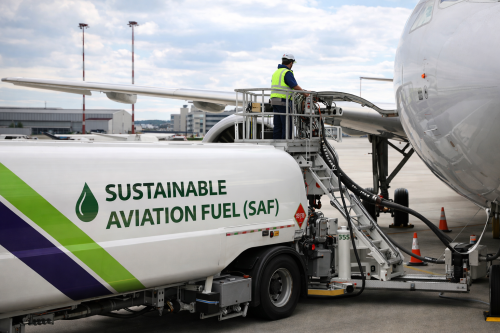
A softer version of the target could involve allowing plug-in hybrid vehicles to continue beyond 2035 or granting limited pathways for internal-combustion vehicles running on low-carbon or synthetic fuels. Industry groups say such flexibility would help manage the transition while retaining manufacturing capacity and protecting jobs in regions heavily dependent on combustion-engine production.
Risks to Climate Ambitions
Environmental organisations and climate policy analysts, however, warn that weakening the 2035 target could undermine the EU’s broader goals under the European Green Deal. Road transport remains one of the bloc’s most challenging sectors, with emissions declining far too slowly to align with long-term climate-neutrality targets. Many studies indicate that delaying the phase-out of combustion engines could significantly increase the cost and difficulty of achieving net-zero emissions by 2050.
Greater flexibility for internal-combustion technology could also prolong reliance on fossil-fuel infrastructure, creating potential stranded assets and weakening incentives for accelerated investment in electric vehicle manufacturing and charging networks.
Economic Competitiveness and Supply-Chain Vulnerabilities
The debate also highlights the structural vulnerabilities of Europe’s auto sector. Over the past decade, European manufacturers have increasingly relied on imports for batteries and critical raw materials. This dependence has raised concerns over industrial sovereignty, especially as global demand for battery materials continues to climb.
At the same time, production volumes in several European countries have declined markedly. The shift toward electrification has disrupted long-standing automotive supply chains, affecting thousands of small and medium-sized enterprises that specialise in components for traditional engines. Policymakers must balance these economic risks with the need to maintain environmental credibility and avoid slowing the clean-mobility transition.
Stakeholder Implications
Carmakers and suppliers will watch the December announcement closely. A more flexible transition could ease near-term financial pressures and provide additional time to reconfigure operations. Governments in regions with strong automotive manufacturing bases may also welcome measures that help protect employment and investment.
Conversely, consumer groups, environmental NGOs, and climate-focused investors are expressing concern that any weakening of the 2035 target may send mixed signals to markets and reduce the momentum of Europe’s decarbonisation pathway. For them, stable and ambitious policy signals remain essential to ensuring long-term investment in clean technologies.
A Decisive Moment for EU Climate and Industry Policy
The Commission’s upcoming package reflects a fundamental challenge: how to transform one of Europe’s most important industrial sectors without jeopardising competitiveness or diluting climate commitments. Whether the final proposal reinforces the 2035 target or introduces new flexibility, its consequences will shape the trajectory of Europe’s transport, energy, and industrial systems for years to come.
Source: www.reuters.com

Mentioned in this article...
Organizations
More related content

OMV Warns Rigid Recycling Rules May Slow Plastics Innovation
Wind and Solar Overtake Fossil Fuels in EU Power Generation
OpenAI Outlines Strategy to Control Rising Data Centre Energy Costs