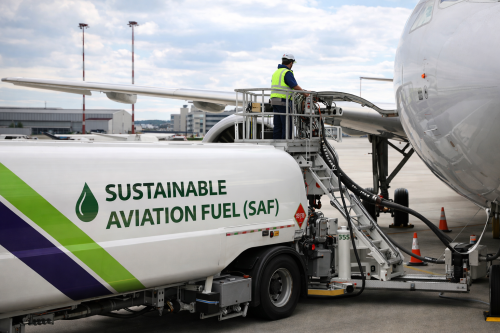
EDF Supports GEODIS in Cutting Supply Chain Emissions Through Low-Carbon Energy Solutions

Cut through the green tape
We don't push agendas. At Net Zero Compare, we cut through the hype and fear to deliver the straightforward facts you need for making informed decisions on green products and services. Whether motivated by compliance, customer demands, or a real passion for the environment, you’re welcome here. We provide reliable information. Why you seek it is not our concern.
Decarbonising supply chains has become one of the most complex challenges in the global transition to net zero, particularly for logistics-intensive sectors. Transport, warehousing, and energy use across international operations account for a significant share of corporate emissions, much of which falls under Scope 3. Rising regulatory pressure, customer expectations, and climate disclosure requirements are pushing logistics providers to demonstrate credible, data-backed emission reduction strategies.
In this context, EDF is working with international logistics group GEODIS to help reduce emissions across GEODIS’s supply chain through low-carbon energy solutions, efficiency measures, and support for cleaner transport options.
GEODIS’s Decarbonisation Targets
GEODIS has committed to reducing its greenhouse gas emissions intensity by 42% by 2030 compared with 2022 levels. This target covers Scope 1 and 2 emissions from its own operations, as well as Scope 3 emissions linked to transport activities carried out by subcontractors and energy use across its logistics network.
Achieving these reductions is particularly challenging for a global logistics provider, given its reliance on energy-intensive warehouses, fuel-based transport fleets, and complex international supply chains. As a result, GEODIS has prioritised partnerships that can deliver practical decarbonisation solutions without disrupting operational performance.
Transitioning to Low-Carbon Electricity
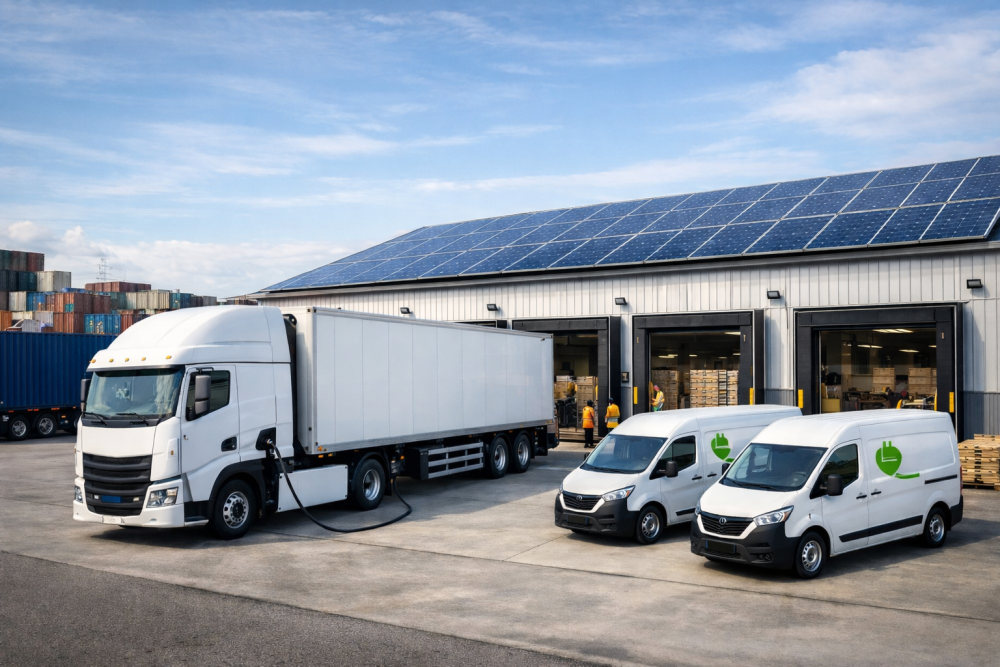
One of the core elements of the collaboration with EDF is the transition to renewable and low-carbon electricity. EDF is supporting GEODIS in sourcing electricity from renewable sources such as wind and solar, using a mix of power purchase agreements, renewable energy certificates, and market-based solutions, depending on regional conditions.
Supplying warehouses, offices, and logistics hubs with low-carbon electricity directly reduces Scope 2 emissions. It also improves the overall carbon intensity of logistics operations, helping GEODIS meet customer expectations for lower-emission supply chain services.
Improving Energy Efficiency Across Warehouses
Reducing energy demand is another critical pillar of the strategy. EDF is working with GEODIS to analyse energy consumption across logistics sites and identify efficiency opportunities. These include upgrading lighting systems to LED technology, improving insulation, optimising heating and cooling systems, and deploying smarter energy management tools.
Energy efficiency measures deliver immediate emission reductions while also lowering operating costs, making them an attractive option for large logistics portfolios. Over time, these improvements can be scaled across multiple sites, amplifying their climate and financial impact.
Tackling Transport Emissions
Transport represents one of the largest sources of emissions for logistics companies and one of the hardest to decarbonise. EDF’s support includes advising GEODIS on pathways to reduce emissions from vehicle fleets, particularly in urban and regional delivery operations.
This includes the gradual deployment of electric vehicles for last-mile deliveries and the use of alternative fuels such as biofuels where electrification is not yet feasible. While zero-emission solutions for long-haul freight remain limited, incremental improvements in fuel choice and vehicle efficiency are seen as essential steps toward longer-term decarbonisation.
Strengthening Emissions Measurement and Reporting
Accurate emissions data is essential for managing progress toward climate targets and meeting regulatory reporting requirements. EDF is helping GEODIS improve its monitoring of energy consumption and emissions performance across its operations.
Enhanced data collection supports better decision-making, enables more targeted reduction measures, and increases transparency for customers and stakeholders. This is particularly important as climate disclosure frameworks increasingly require companies to report detailed information on Scope 3 emissions.
Engaging the Wider Supply Chain
The partnership also reflects the growing importance of supply chain engagement in corporate decarbonisation strategies. Logistics providers operate at the intersection of multiple industries, and meaningful emission reductions depend on collaboration between energy suppliers, transport operators, technology providers, and end customers.
By integrating low-carbon energy solutions into its operations, GEODIS aims to embed decarbonisation across its logistics network rather than addressing emissions in isolation. This approach aligns with broader industry efforts to reduce supply chain emissions through coordinated action.
A Model for Logistics Decarbonisation
While the collaboration between EDF and GEODIS does not eliminate all emissions associated with logistics activities, it demonstrates how targeted energy strategies can deliver measurable progress. Renewable electricity, efficiency improvements, and cleaner transport options together form a practical pathway for reducing emissions in a sector with limited short-term alternatives to fossil fuels.
As scrutiny of Scope 3 emissions continues to increase, partnerships that combine energy expertise with operational know-how are likely to play an increasingly important role. The EDF and GEODIS initiative provides a concrete example of how logistics companies can move toward net zero while maintaining reliability and competitiveness in a demanding global market.
Source: sustainabilitymag.com

Mentioned in this article...
More related content

OMV Warns Rigid Recycling Rules May Slow Plastics Innovation
Wind and Solar Overtake Fossil Fuels in EU Power Generation
OpenAI Outlines Strategy to Control Rising Data Centre Energy Costs