eBay Outlines Climate Transition Plan to Cut Emissions Across Global E-Commerce

Cut through the green tape
We don't push agendas. At Net Zero Compare, we cut through the hype and fear to deliver the straightforward facts you need for making informed decisions on green products and services. Whether motivated by compliance, customer demands, or a real passion for the environment, you’re welcome here. We provide reliable information. Why you seek it is not our concern.
Global e-commerce platform eBay has released a Climate Transition Plan that clarifies how the company aims to align its business with international climate objectives. The plan outlines specific actions to reduce emissions across operations, logistics, and supply chains while embedding climate considerations into long-term corporate governance.
The strategy supports eBay’s commitment to achieve net-zero greenhouse gas emissions across Scope 1, 2, and 3 by 2050, with interim targets validated by the Science-Based Targets initiative for 2030. As a marketplace rather than a traditional retailer, eBay’s emissions profile is shaped less by manufacturing and more by digital infrastructure, transportation, and third-party activity enabled by its platform.
Renewable Energy and Operational Efficiency
Energy use is a central focus of the Climate Transition Plan. eBay reports that it already sources 100% renewable electricity for its offices and data centres through a combination of direct renewable procurement and energy attribute certificates. Maintaining full renewable coverage as digital activity grows is identified as a priority.
Beyond electricity sourcing, the company highlights efforts to improve energy efficiency across its data centres and technology systems. Software optimisation, infrastructure upgrades, and demand management are presented as practical measures to limit absolute growth in energy consumption as transaction volumes increase.
Addressing Logistics and Delivery Emissions
Logistics represents one of the most complex emissions sources for e-commerce companies. While eBay does not own delivery fleets, its Climate Transition Plan sets out how it intends to influence emissions through partnerships and user-facing tools.
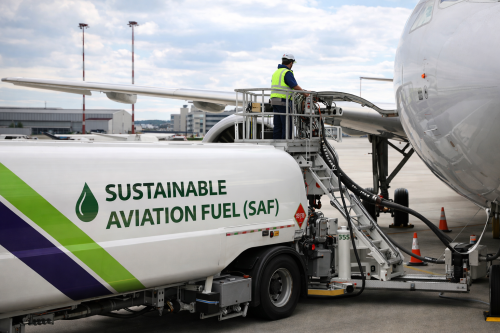
Key measures include promoting lower-carbon shipping options, encouraging shipment consolidation, and supporting the transition to electric vehicles and alternative fuels in last-mile delivery, where infrastructure allows. eBay also indicates it will continue working with logistics providers to improve emissions data quality and transparency, an area that remains challenging across the sector.
Engaging Suppliers and Service Partners
Supplier engagement is another core pillar of the transition strategy. eBay has introduced climate-related expectations for priority suppliers, including emissions disclosure and the adoption of climate targets aligned with science-based pathways.
Climate criteria are being integrated into procurement processes to reduce upstream Scope 3 emissions and increase resilience to climate-related risks. Over time, this approach is expected to drive improved data availability and more consistent climate performance across key service providers.
Circular Economy Impacts and Resale Benefits
A defining element of eBay’s climate narrative is its role in enabling reuse and resale. By extending the life of products and reducing demand for new manufacturing, second-hand commerce can avoid emissions associated with raw material extraction, production, and disposal.
The Climate Transition Plan commits to improving methodologies used to estimate avoided emissions linked to resale activity. However, eBay is explicit that these avoided emissions are not counted toward its net-zero targets. Instead, they are presented as an additional system-level benefit that complements direct emissions reductions, reflecting growing scrutiny of avoided emissions claims in corporate reporting.
Carbon Removal and Residual Emissions
The plan outlines a limited role for carbon removal and neutralisation. eBay states that it will prioritise direct emissions reductions across its value chain and only use carbon removal credits for residual emissions that cannot be eliminated by 2050.
Where credits are used, the company signals a preference for high-quality, durable carbon removal solutions rather than short-term offsetting mechanisms. This approach aligns with emerging expectations from regulators and investors regarding environmental integrity and long-term climate impact.
Governance, Risk Management, and Accountability
Climate governance is embedded within senior leadership structures, with board-level oversight of climate risks and transition progress. The plan integrates climate considerations into enterprise risk management, including assessments of physical climate risks, regulatory developments, and changes in consumer behaviour.
This governance framework is intended to ensure that climate strategy informs investment decisions, partnerships, and long-term business planning rather than remaining isolated within sustainability reporting.
Implications for the E-Commerce Sector
eBay’s Climate Transition Plan illustrates how asset-light digital platforms can influence emissions beyond their direct control. While marketplace models limit direct operational leverage, companies can still drive change through procurement standards, logistics partnerships, user incentives, and transparency requirements.
As regulators place increasing emphasis on Scope 3 emissions disclosure and credible transition planning, approaches outlined in eBay’s strategy are likely to become baseline expectations across the e-commerce sector.
A Cautious but Credible Transition Approach
Overall, eBay’s Climate Transition Plan presents a relatively conservative roadmap focused on measurable emissions reductions, robust governance, and limited reliance on offsets. Its success will depend on implementation, particularly in logistics decarbonisation and supplier engagement, but the strategy signals a clear direction for how large digital platforms can approach net-zero in a credible and transparent way.
Source: sustainabilitymag.com

Mentioned in this article...
Organizations
More related content

OMV Warns Rigid Recycling Rules May Slow Plastics Innovation
Wind and Solar Overtake Fossil Fuels in EU Power Generation
OpenAI Outlines Strategy to Control Rising Data Centre Energy Costs