Delta Air Lines Sets Out 2025 Sustainability Actions Across Fuel, Waste and Supply Chains


Cut through the green tape
We don't push agendas. At Net Zero Compare, we cut through the hype and fear to deliver the straightforward facts you need for making informed decisions on green products and services. Whether motivated by compliance, customer demands, or a real passion for the environment, you’re welcome here. We provide reliable information. Why you seek it is not our concern.
Delta Air Lines has outlined a set of sustainability actions it aims to advance through 2025, focusing on sustainable aviation fuel, waste reduction, operational efficiency, and supplier collaboration. The initiatives form part of the airline’s broader effort to reduce its environmental footprint while navigating the structural constraints facing aviation decarbonisation.
As with much of the aviation sector, Delta’s near-term strategy reflects the limited availability of zero-emissions flight technologies and the high cost and scarcity of alternative fuels. The airline’s approach emphasises incremental emissions reductions, resource efficiency, and partnerships across its value chain as it works toward longer-term climate goals.
Sustainable Aviation Fuel as a Near-Term Priority
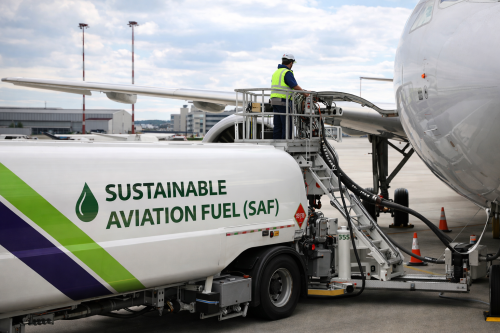
Sustainable aviation fuel remains the central component of Delta’s emissions reduction strategy through the mid-2020s. The airline has stated that by 2025, it plans to use more than 10% SAF in jet fuel at Los Angeles International Airport, subject to supply availability. While this target applies to a single airport rather than Delta’s global operations, it highlights both ambition and constraint.
Global SAF production currently accounts for less than 1 percent of total aviation fuel demand. High production costs, limited feedstocks, and underdeveloped supply chains continue to restrict adoption. For airlines, this has made long-term offtake agreements and investment partnerships essential tools for encouraging new supply.
Delta has entered into agreements with SAF producers using feedstocks such as waste oils and agricultural residues and has invested in venture capital funds focused on next-generation fuel technologies. These measures are designed to help reduce investment risk for producers and accelerate commercial-scale production. For the wider aviation sector, they reflect a growing recognition that demand commitments alone are insufficient without upstream financial support.
Operational Efficiency and Fleet Modernisation
Alongside fuel switching, Delta continues to rely on operational efficiency and fleet renewal to reduce emissions intensity. Newer aircraft models typically deliver fuel efficiency improvements of 15 to 25% compared with older generations, depending on aircraft type and route profile. Although fleet renewal requires significant capital investment and long planning cycles, it remains one of the most effective and reliable emissions reduction measures currently available to airlines.
Operational improvements also include route optimisation, improved ground operations, and more efficient logistics planning. While individually incremental, these measures collectively contribute to lower fuel consumption and reduced operating costs.
Reducing Waste and Onboard Material Impacts
Delta’s 2025 sustainability actions extend beyond emissions to address waste and resource use, particularly in onboard services. The airline has continued to replace single-use plastics with alternative materials across catering and passenger service items. These changes include a shift to paper cups, wooden cutlery, and packaging that is more readily recyclable within existing waste systems.
Although such measures do not significantly reduce flight-related emissions, they target waste streams that are increasingly scrutinised by regulators and passengers. Waste reduction initiatives also support broader corporate sustainability objectives and can deliver cost savings through reduced material use.
Tackling Food Waste Across Operations
Food waste reduction has emerged as another focus area. Delta reports ongoing efforts to improve catering load accuracy to reduce surplus food on flights. Where regulations allow, unused food from aircraft and airport lounges is redistributed through partnerships with local non-profit organisations.
Food waste contributes to both direct disposal emissions and upstream emissions from food production. Across aviation and hospitality sectors, reducing waste is seen as a practical and scalable way to lower environmental impact without requiring major technological change.
Supply Chain Collaboration and Scope 3 Emissions
A significant portion of aviation emissions falls outside direct airline operations, particularly within fuel production, catering, logistics, and ground services. Delta has highlighted collaboration with partners such as UPS to improve logistics efficiency and reduce emissions across shared operations.
These initiatives include route optimisation, improved coordination between freight and passenger services, and increased use of lower-emissions ground vehicles where available. For large transport operators, addressing Scope 3 emissions increasingly depends on such partnerships, as airlines have limited direct control over supplier practices.
Position on Carbon Offsetting
Delta has reiterated that it does not consider carbon offsetting a primary long-term solution for aviation decarbonisation. Instead, offsets are positioned as a limited, transitional measure while in-sector emissions reductions are scaled. This stance aligns with growing concerns across the market regarding the quality, permanence, and verification of some offset projects.
Regulators and investors are increasingly scrutinising offset use, placing greater emphasis on direct emissions reductions and supply chain improvements. Delta’s approach reflects this shift and signals a preference for measures that deliver measurable operational change.
Implications for the Aviation and Energy Sectors
Delta’s 2025 sustainability actions illustrate the broader challenges facing aviation’s net-zero transition. Sustainable aviation fuel is expected to deliver the majority of emissions reductions through at least the 2030s, yet supply remains limited and costly. Policy support, including incentives, mandates, and infrastructure investment, is likely to be critical if SAF adoption is to scale meaningfully.
At the same time, efficiency improvements, waste reduction, and supplier engagement remain essential for maintaining progress in the near term. While these measures alone are insufficient to align aviation with long-term climate targets, they represent the most immediately deployable tools available.
For policymakers, fuel producers, and investors, Delta’s plans provide insight into where interventions can have the greatest impact. Increasing SAF availability, lowering cost premiums, and enabling coordinated supply chain action will remain central to aligning aviation with global net-zero pathways.
Source: sustainabilitymag.com

Mentioned in this article...
Organizations
More related content

OMV Warns Rigid Recycling Rules May Slow Plastics Innovation
Wind and Solar Overtake Fossil Fuels in EU Power Generation

OpenAI Outlines Strategy to Control Rising Data Centre Energy Costs