Canada Removes Tariffs on Chinese Electric Vehicles, Reshaping North American EV Markets

Cut through the green tape
We don't push agendas. At Net Zero Compare, we cut through the hype and fear to deliver the straightforward facts you need for making informed decisions on green products and services. Whether motivated by compliance, customer demands, or a real passion for the environment, you’re welcome here. We provide reliable information. Why you seek it is not our concern.
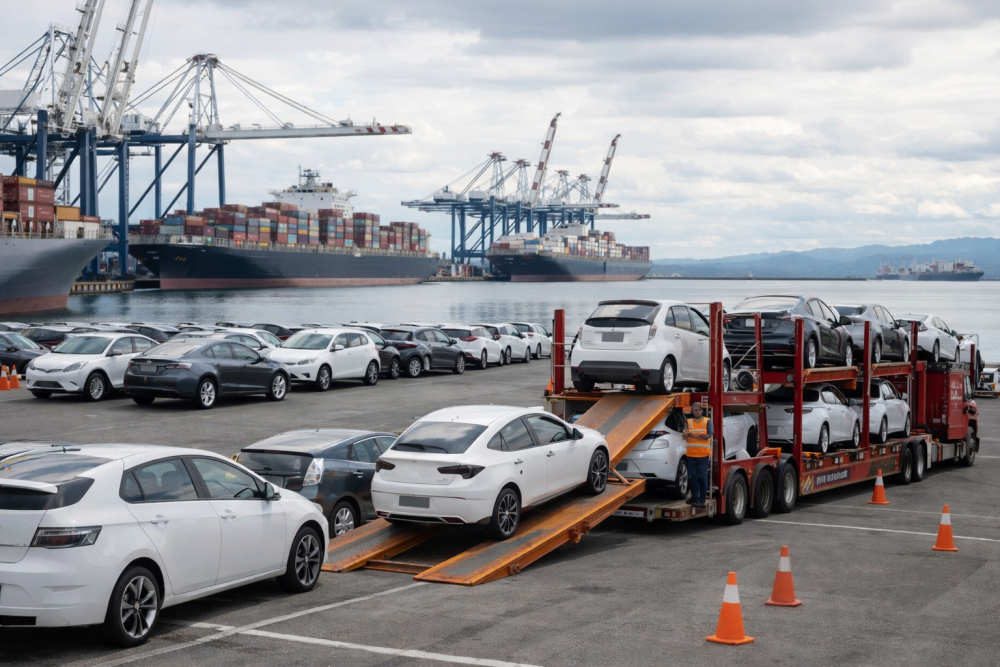
The government of Canada has confirmed that it will remove import tariffs on electric vehicles manufactured in China, signaling a clear change in its approach to clean transport trade. The decision comes at a time when other major economies, notably the United States and the European Union, are moving in the opposite direction by strengthening trade defenses against Chinese-made EVs.
Canadian policymakers have framed the move as a response to rising vehicle costs and slowing EV adoption. With transport accounting for a significant share of national greenhouse gas emissions, accelerating the shift away from internal combustion engines is a core element of Canada’s net-zero strategy.
Lower Prices and Expanded Consumer Choice
One of the most immediate effects of the tariff removal is expected to be a reduction in EV prices. Chinese manufacturers have become global leaders in electric vehicle production, supported by large-scale manufacturing capacity, vertically integrated supply chains, and long-term investment in battery technology. These factors allow many Chinese EVs to be sold at prices well below those of comparable models produced in North America or Europe.
For Canadian consumers, this could translate into greater choice across vehicle segments, particularly in compact and mid-sized models where affordability remains a key barrier. Analysts suggest that some imported EVs could enter the market at prices approaching those of conventional petrol vehicles, especially when government incentives and lower operating costs are taken into account.
Implications for EV Adoption and Climate Targets
From a climate perspective, the policy could support Canada’s goal of phasing out new gasoline-powered vehicle sales by 2035. High upfront costs have consistently been cited as one of the main obstacles to EV uptake. By reducing prices, the government aims to make electric mobility accessible to a broader share of households.
Canada’s relatively low-carbon electricity mix further strengthens the climate case. In provinces where hydropower, nuclear, and renewables dominate, switching from internal combustion vehicles to EVs delivers substantial lifecycle emissions reductions, even when battery manufacturing emissions are considered.
Pressure on Domestic Automotive Manufacturing
The decision has raised concerns among domestic automakers and parts suppliers. Over recent years, federal and provincial governments have committed significant public funding to attract EV assembly plants and battery manufacturing facilities, particularly in Ontario and Quebec. These investments are intended to anchor a domestic EV supply chain and protect automotive employment during the transition.
Industry representatives warn that an influx of lower-cost imports could undermine early-stage domestic production, especially if local manufacturers struggle to match prices. Critics argue that without complementary industrial measures, tariff-free imports could weaken the business case for future investment in Canadian EV manufacturing.
Diverging Paths Within North America
Canada’s approach contrasts sharply with that of the United States, which has imposed high tariffs on Chinese EVs, citing unfair subsidies, national security risks, and the need to protect the domestic industry. This divergence introduces complexity into the highly integrated North American automotive market governed by the USMCA trade agreement.
While regulatory barriers limit the direct re-export of Chinese EVs into the US, differences in pricing and supply could still affect investment decisions, component sourcing, and competitive dynamics across the region. Automakers may increasingly tailor strategies to national policies rather than treating North America as a single market.
Trade, Geopolitics, and Supply Chain Concerns
Beyond economics, the policy carries geopolitical implications. Canada’s relationship with China has faced tensions in recent years, but clean technology trade may offer a pragmatic area of engagement. Allowing Chinese EVs into the Canadian market signals a willingness to prioritize climate outcomes and consumer affordability over broader trade disputes.
At the same time, critics highlight concerns around supply chain transparency, labor standards, and environmental performance in vehicle and battery manufacturing. While EVs eliminate tailpipe emissions, their overall sustainability depends on how raw materials are sourced, how batteries are produced, and whether effective recycling systems are in place.
The Need for Complementary Regulation
Policy experts note that tariff removal alone is unlikely to deliver optimal outcomes. To align imports with national sustainability objectives, Canada may need to strengthen requirements around environmental disclosure, battery recycling, and lifecycle emissions reporting. Such measures could ensure that lower-cost vehicles entering the market also meet high environmental and social standards.
Investments in charging infrastructure, grid capacity, and workforce skills will also be critical. Without these parallel efforts, lower vehicle prices may not translate into sustained increases in EV adoption.
A Test Case for Affordable Net-Zero Transport
In the near term, Canada’s decision is likely to intensify competition and accelerate EV sales. In the longer term, it will serve as a test of whether open trade can coexist with domestic industrial development in the clean transport sector.
As governments worldwide balance affordability, industrial strategy, and climate ambition, Canada’s move underscores the trade-offs involved in building a net-zero transport system that is both competitive and inclusive.
Source: www.forbes.com

Mentioned in this article...
More related content

OMV Warns Rigid Recycling Rules May Slow Plastics Innovation
Wind and Solar Overtake Fossil Fuels in EU Power Generation
OpenAI Outlines Strategy to Control Rising Data Centre Energy Costs