Asahi Expands Net-Zero and Biodiversity Strategy Through Sustainable Packaging Reforms

Cut through the green tape
We don't push agendas. At Net Zero Compare, we cut through the hype and fear to deliver the straightforward facts you need for making informed decisions on green products and services. Whether motivated by compliance, customer demands, or a real passion for the environment, you’re welcome here. We provide reliable information. Why you seek it is not our concern.
As global consumer goods companies face mounting pressure to cut emissions and reduce environmental impacts across their value chains, packaging has emerged as one of the most challenging areas to decarbonise. For beverage producers in particular, packaging materials account for a significant share of lifecycle emissions and resource use. Against this backdrop, Asahi Group Holdings is positioning packaging reform as a central pillar of its net-zero and biodiversity strategy.
According to Sustainability Magazine, Asahi has integrated packaging transformation into its broader environmental roadmap, which includes climate mitigation, nature protection, and responsible resource management. The company’s approach reflects a growing recognition that net-zero targets cannot be achieved through operational efficiency alone, but require big changes to materials, design, and supply chains.
Packaging as a Climate Lever
Packaging contributes substantially to the carbon footprint of beer, soft drinks, and other beverages, largely due to the production of virgin plastics, aluminium, and glass. Asahi has identified packaging as one of its highest-impact areas for emissions reduction and has committed to cutting greenhouse gas emissions across its value chain in line with its long-term net-zero ambition.
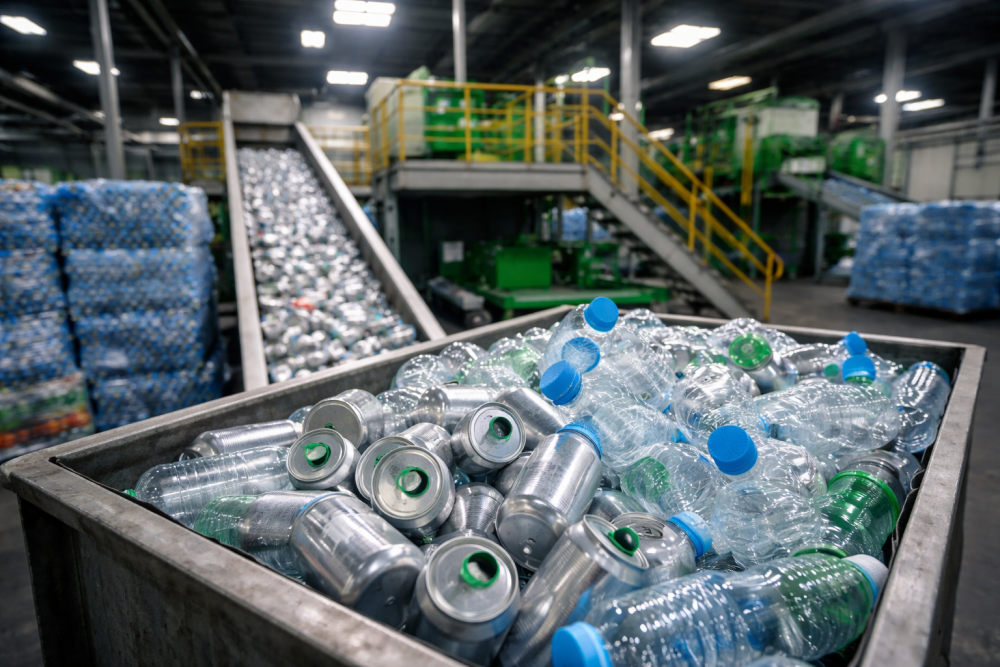
Key measures include reducing overall packaging weight, increasing the use of recycled content, and shifting toward materials with lower lifecycle emissions. Lightweighting initiatives have already been implemented in several markets, reducing raw material use while maintaining product integrity and safety. These changes deliver immediate emissions savings while also lowering transportation-related impacts.
The company has also set targets to expand the use of recycled plastics and metals, recognising that secondary materials typically have a far lower carbon footprint than virgin alternatives. This aligns Asahi’s strategy with emerging regulations in Europe and other regions that mandate minimum recycled content in packaging.
Circularity and Plastic Reduction
Beyond emissions, Asahi’s packaging strategy emphasises circular economy principles. The company aims to ensure that all packaging is either reusable, recyclable, or compostable, reducing waste leakage into the environment. This includes redesigning labels, caps, and multilayer materials that often hinder recycling processes.
In markets where collection and recycling infrastructure is well developed, Asahi is increasing the share of bottles and cans made from recycled inputs. In regions where systems are less mature, the company is working with industry partners and local authorities to strengthen collection schemes and improve recycling rates.
Plastic reduction remains a core focus, particularly in response to growing concerns about marine pollution and microplastics. Asahi has committed to eliminating unnecessary plastic components and exploring alternative materials where feasible. These efforts are particularly relevant for global beverage brands operating across jurisdictions with rapidly tightening plastics regulations.
Linking Packaging to Biodiversity Protection
A distinctive element of Asahi’s approach is the explicit link between packaging reform and biodiversity protection. Resource extraction for packaging materials can have significant impacts on ecosystems, from fossil fuel extraction for plastics to mining for aluminium and sand for glass production.
By reducing material use and increasing recycled content, Asahi aims to limit pressure on natural ecosystems. The company has also aligned its packaging initiatives with broader biodiversity commitments, including responsible sourcing and nature-positive practices across its supply chain.
This integrated approach reflects a shift in corporate sustainability thinking, where climate and nature strategies are increasingly treated as interconnected rather than separate objectives. For Asahi, packaging is not only a carbon issue but also a lever for reducing land use, pollution, and habitat degradation.
Global Rollout and Regional Differences
Asahi operates across Asia-Pacific, Europe, and other international markets, each with distinct regulatory frameworks and infrastructure conditions. The company’s packaging strategy is therefore designed to be globally consistent while allowing for regional adaptation.
In Europe, where extended producer responsibility schemes and recycled content mandates are advancing rapidly, Asahi’s initiatives position it to remain compliant while managing costs and supply risks. In Asia-Pacific markets, the focus includes building partnerships to improve waste collection and recycling capacity, recognising that system-level change is essential for circular packaging to succeed.
This global perspective is increasingly important as multinational companies face fragmented but converging sustainability regulations. Harmonised internal standards can reduce complexity while supporting faster implementation.
Implications for Industry and Supply Chains
Asahi’s packaging reforms have implications well beyond the company itself. Suppliers of packaging materials are under pressure to deliver higher volumes of recycled inputs, improved traceability, and lower-carbon production processes. This could accelerate investment in recycling infrastructure and material innovation across the packaging sector.
For competitors and peers, Asahi’s strategy illustrates how packaging can serve as a practical entry point for integrating climate and biodiversity goals. Rather than treating net zero as a purely energy-related challenge, the company’s approach highlights the importance of addressing product design and material choices.
Investors and policymakers are also likely to view such initiatives as indicators of transition readiness, particularly as disclosure requirements around Scope 3 emissions and nature-related risks expand.
A Broader Shift in Corporate Sustainability
Asahi’s focus on packaging reflects a broader shift in corporate sustainability strategies, where measurable actions and value chain interventions are increasingly prioritised over high-level commitments. While challenges remain, including cost pressures and infrastructure gaps, packaging reform represents a tangible and scalable pathway toward emissions reduction and environmental protection.
For the beverage industry and consumer goods sector more broadly, the message is clear: achieving net zero and biodiversity goals will require rethinking not only how products are made, but also how they are packaged, distributed, and recovered at the end of life.
Source: sustainabilitymag.com

Mentioned in this article...
Organizations
More related content

OMV Warns Rigid Recycling Rules May Slow Plastics Innovation

Wind and Solar Overtake Fossil Fuels in EU Power Generation

OpenAI Outlines Strategy to Control Rising Data Centre Energy Costs