Alphabet Acquires Intersect Power Portfolio to Support Google Data Center Clean Energy Demand

Cut through the green tape
We don't push agendas. At Net Zero Compare, we cut through the hype and fear to deliver the straightforward facts you need for making informed decisions on green products and services. Whether motivated by compliance, customer demands, or a real passion for the environment, you’re welcome here. We provide reliable information. Why you seek it is not our concern.
Alphabet has agreed to acquire a major portfolio of clean energy projects from Intersect Power in a transaction valued at approximately $4.75 billion. The deal is intended to secure long-term, low-carbon electricity supply for Google’s growing network of data centers across the United States, at a time when power demand from digital infrastructure is rising rapidly.
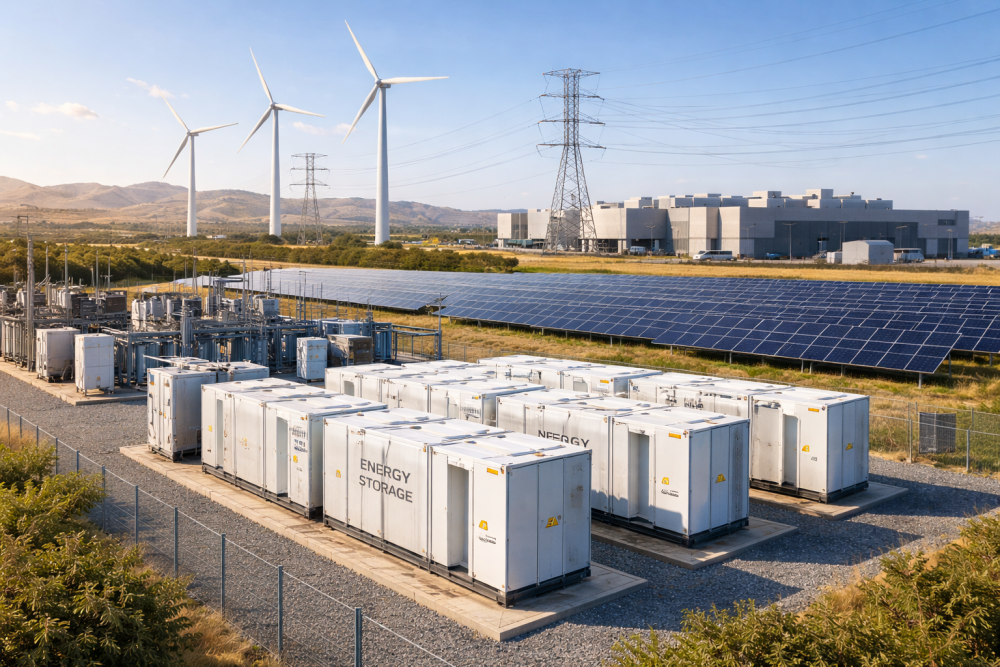
The portfolio includes utility-scale solar, wind, and battery energy storage projects located in multiple US states. Assets span different stages of development and operation, allowing Alphabet to benefit from both near term electricity supply and longer term capacity growth.
Why Data Center Energy Demand is Driving the Deal
Alphabet’s subsidiary Google operates one of the world’s largest data center footprints, supporting cloud computing, search, artificial intelligence, and consumer digital services. These facilities require continuous, highly reliable electricity, and their energy consumption is increasing as AI workloads and cloud usage expand.
In several regions, grid operators have warned that data center growth could strain existing generation and transmission infrastructure. By acquiring its own clean energy assets, Alphabet reduces exposure to future power constraints, grid congestion, and electricity price volatility, while strengthening control over supply reliability.
Moving Beyond Traditional Power Purchase Agreements
For more than a decade, Google has been a leading corporate buyer of renewable electricity through power purchase agreements. These contracts have enabled the company to match 100% of its annual electricity consumption with renewable energy since 2017.
However, annual matching does not guarantee that clean electricity is available at every hour of operation. This acquisition represents a strategic shift toward asset ownership, allowing Alphabet to directly align renewable generation and storage with real-time data center demand. Ownership also provides greater flexibility in dispatching power and managing storage assets.
Role of Battery Storage and Hybrid Projects
A defining feature of the Intersect Power portfolio is the integration of battery energy storage alongside solar and wind generation. Batteries can store excess electricity during periods of high renewable output and discharge it when production falls or demand peaks.
For data centers that operate continuously, this firming capacity is critical. It reduces dependence on fossil fuel backup generation and helps smooth the variability inherent in renewable energy. Hybrid projects combining multiple technologies also make more efficient use of grid connections and land, which can shorten development timelines.
Alignment with Google’s 24/7 Carbon-Free Energy Goal
In 2020, Google announced its ambition to operate all data centers and offices on carbon-free energy every hour of every day by 2030. Achieving this target requires far more granular matching of supply and demand than annual renewable procurement.
The Intersect Power acquisition supports this goal by adding new clean capacity and storage that can be tailored to specific data center locations and load profiles. While challenges remain, including grid integration and regional resource variability, direct ownership improves Alphabet’s ability to close hourly emissions gaps.
Implications for Renewable Developers and Investors
For Intersect Power, the transaction provides capital to reinvest in its development pipeline. Selling a mature or near-ready portfolio allows the company to recycle funds into new projects, supporting continued growth in renewable capacity across the US.
More broadly, the deal signals that large corporate buyers are increasingly willing to invest directly in generation assets rather than relying solely on contracts. This could accelerate renewable deployment, particularly for projects designed to meet the needs of energy-intensive industrial and digital customers.
Impact on Energy Markets and Regulation
As corporations take more direct control over electricity supply, utilities and regulators may need to adapt planning frameworks. Dedicated generation assets tied to specific customers can affect load forecasting, grid investment decisions, and rate structures.
Grid operators will also need to ensure that privately owned renewable and storage assets are integrated in ways that support system reliability and fair access. Transparent interconnection rules and coordinated planning will be critical as similar deals become more common.
Climate and Emissions Considerations
Data centers are among the fastest-growing sources of electricity demand globally. If this growth is met with fossil fuel generation, emissions could rise significantly. By investing directly in new renewable and storage capacity, Alphabet helps ensure that digital infrastructure expansion aligns with climate and net-zero targets.
Importantly, the value of such deals depends on whether they add new clean capacity to the grid rather than reallocating existing resources. Projects developed specifically to serve incremental demand provide the greatest climate benefit.
A Signal of Changing Corporate Energy Strategies
While detailed financial terms have not been fully disclosed, the scale of the $4.75 billion acquisition underscores how central energy strategy has become for technology companies. Clean electricity is no longer treated as a peripheral sustainability issue but as a core operational and risk management consideration.
As electrification, artificial intelligence, and data-driven services continue to expand, similar asset ownership models are likely to emerge across the technology sector. Alphabet’s acquisition of Intersect Power’s portfolio may mark a turning point in how corporate buyers secure long term, reliable clean energy supply.
Source: www.esgdive.com

Mentioned in this article...
Organizations
More related content

OMV Warns Rigid Recycling Rules May Slow Plastics Innovation
Wind and Solar Overtake Fossil Fuels in EU Power Generation
OpenAI Outlines Strategy to Control Rising Data Centre Energy Costs