Abu Dhabi Launches BARQ Ultra-Fast EV Charging Network With Three-Minute Top-Up Capability

Cut through the green tape
We don't push agendas. At Net Zero Compare, we cut through the hype and fear to deliver the straightforward facts you need for making informed decisions on green products and services. Whether motivated by compliance, customer demands, or a real passion for the environment, you’re welcome here. We provide reliable information. Why you seek it is not our concern.
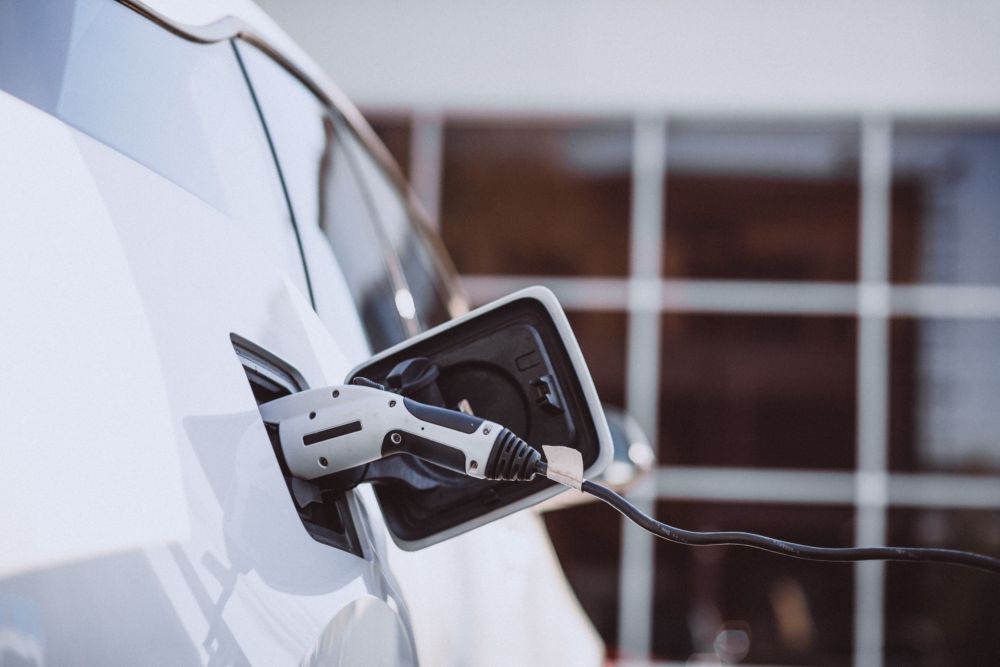
The Abu Dhabi Department of Energy has announced the launch of BARQ, a new ultra-fast electric vehicle charging network designed to significantly reduce charging times for EV drivers across the emirate. The system is capable of providing up to 100 kilometres of driving range in approximately three minutes, addressing one of the most persistent challenges facing electric mobility: long and inconvenient charging sessions.
Transport remains a major source of carbon emissions in urban environments, particularly in car-dependent regions. By improving charging speed and availability, Abu Dhabi aims to remove practical barriers to EV adoption while supporting broader climate and air quality objectives.
What Makes BARQ Different
BARQ is built around ultra-fast direct current charging technology, designed to support modern electric vehicles with high charging capacities. Unlike conventional fast chargers, which can require 30 minutes or more to deliver a meaningful range increase, ultra-fast chargers dramatically shorten dwell time, making EV charging more comparable to traditional refuelling stops.
The network is intended to be compatible with a wide range of EV models, including next-generation vehicles entering the regional market. This future-ready approach is expected to support both private drivers and commercial users as EV technology continues to evolve.
Strategic Deployment Across the Emirate
Initial BARQ charging stations are being deployed in high-demand locations, including major urban centres and key transport corridors. This targeted rollout strategy is designed to maximise utilisation and ensure that drivers can reliably access ultra-fast charging during daily commutes and longer journeys.
Authorities have indicated that further expansion is planned as EV adoption increases. Over time, the network is expected to form a backbone of Abu Dhabi’s electric mobility infrastructure, reducing range anxiety and supporting higher EV penetration rates.
Supporting Fleets and Commercial Transport
Beyond private vehicles, BARQ is positioned as a critical enabler for fleet electrification. Commercial fleets such as taxis, ride-hailing vehicles, delivery vans, and logistics operators require fast and predictable charging to maintain operational efficiency.
Ultra-fast charging reduces vehicle downtime, allowing fleet operators to electrify without compromising service levels. This is particularly relevant in high-temperature environments, where operational resilience and reliability are essential considerations.
Grid Integration and Energy System Implications
Ultra-fast EV charging places substantial demand on electricity networks, especially during peak usage periods. The Department of Energy has highlighted that BARQ has been developed in coordination with grid planning and energy management strategies to ensure system stability.
Smart charging solutions, load management, and potential integration with energy storage are expected to play an important role as the network scales. These measures help balance demand while supporting the wider transition to a cleaner electricity mix that increasingly relies on solar, nuclear, and other low-carbon sources.
Aligning With National Net-Zero Goals
The BARQ launch aligns with the UAE’s national commitment to achieve net-zero emissions by 2050. Transport electrification is a cornerstone of this strategy, complementing investments in renewable energy, sustainable urban development, and energy efficiency.
In Abu Dhabi, EV infrastructure development is part of a broader effort to decarbonize multiple sectors while maintaining economic growth and mobility. Faster charging infrastructure strengthens the case for EV adoption, particularly in regions where driving distances and high vehicle usage are common.
Positioning Abu Dhabi as a Regional Leader
Globally, ultra-fast charging is increasingly recognized as a key factor in accelerating EV market growth. Regions that offer rapid, reliable charging infrastructure tend to see faster consumer acceptance and stronger manufacturer engagement.
By launching BARQ, Abu Dhabi positions itself as a regional leader in next-generation EV infrastructure. The initiative may also serve as a reference point for other Middle Eastern cities seeking to decarbonize transport while maintaining convenience and performance standards.
Opportunities for Industry and Technology Providers
The expansion of ultra-fast charging infrastructure creates opportunities for automakers, energy companies, technology providers, and mobility service operators. Improved infrastructure readiness can encourage the introduction of new EV models, while digital platforms for payment, charging management, and real-time availability can enhance user experience.
As the ecosystem matures, economies of scale and operational learning are expected to reduce costs and improve service reliability, further reinforcing the shift toward electric mobility.
Looking Ahead
The Department of Energy has indicated that BARQ will continue to expand in line with EV uptake, with additional stations and enhanced digital integration planned. As Abu Dhabi advances its clean mobility agenda, ultra-fast charging infrastructure is expected to play a central role in reducing emissions, improving air quality, and supporting a resilient, future-ready transport system.
Source: economymiddleeast.com

Mentioned in this article...
Organizations
More related content

OMV Warns Rigid Recycling Rules May Slow Plastics Innovation
Wind and Solar Overtake Fossil Fuels in EU Power Generation
OpenAI Outlines Strategy to Control Rising Data Centre Energy Costs