Seabound Launches Groundbreaking Onboard Carbon Capture Project Aboard Cement Carrier

Cut through the green tape
We don't push agendas. At Net Zero Compare, we cut through the hype and fear to deliver the straightforward facts you need for making informed decisions on green products and services. Whether motivated by compliance, customer demands, or a real passion for the environment, you’re welcome here. We provide reliable information. Why you seek it is not our concern.
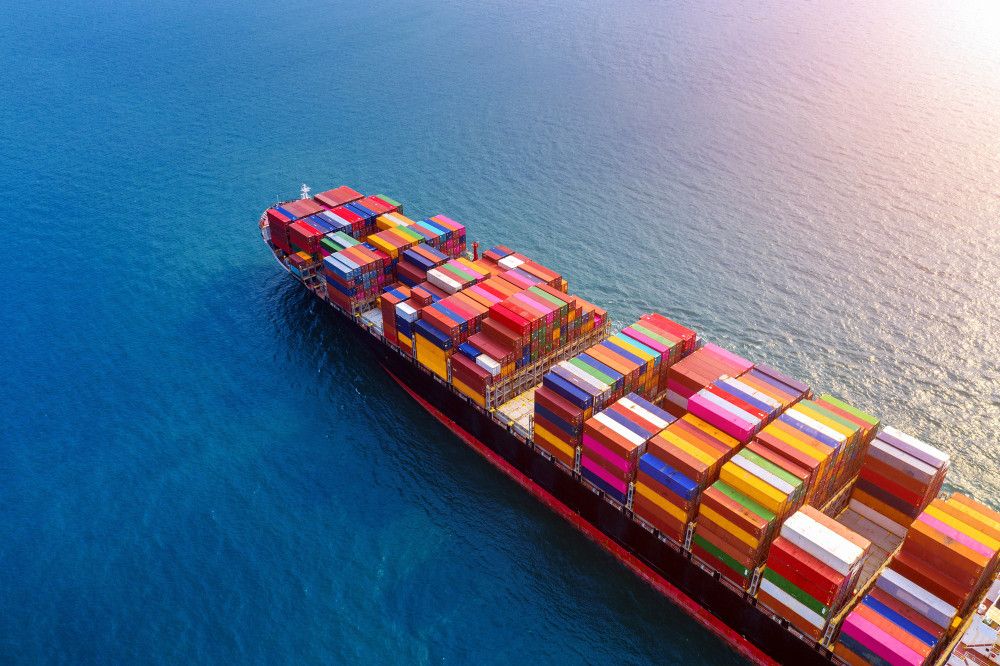
UK-based carbon capture pioneer Seabound has launched a first-of-its-kind onboard carbon capture project in collaboration with Hartmann Group, InterMaritime Group, and Heidelberg Materials Northern Europe. The initiative equips the UBC Cork, a 5,700 GT cement carrier owned by Hartmann and managed by InterMaritime, with Seabound’s compact carbon capture system.
The vessel, chartered by Heidelberg Materials, captures CO₂ emissions using Seabound’s calcium looping technology, which converts carbon into limestone for safe onboard storage. The captured limestone will be offloaded at the Port of Brevik, Norway, and used at Heidelberg’s nearby cement plant — home to the world’s first industrial-scale carbon capture facility in the sector.
With global shipping accounting for nearly 3% of CO₂ emissions, Seabound’s technology offers a scalable path to decarbonization. The modular system captures up to 95% of CO₂ and 98% of sulphur from ship exhaust, while requiring minimal vessel modification.
"This collaboration shows how carbon capture can help the maritime industry accelerate emissions reductions," said Seabound CEO Alisha Fredriksson in a press statement. "Brevik is becoming a global hub for CCS, and this project highlights the role shipping can play."
The captured CO₂ contributes to the production of net-zero concrete at Heidelberg’s facility. With support from Northern Lights for CO₂ storage, and co-funding from the Eurostars program under Horizon Europe, the project is part of Heidelberg’s broader strategy to reduce Scope 3 maritime emissions.
“Hartmann is proud to support this pioneering work,” said Captain Jayant Singh. “It aligns with our mission to invest in sustainable technologies.”
Seabound aims to capture 100 million tonnes of CO₂ annually by 2040 and is actively working to deploy full-scale systems across Hartmann’s fleet.
Source: prnewswire.com

Mentioned in this article...
Glossary terms
More related content

OMV Warns Rigid Recycling Rules May Slow Plastics Innovation

Wind and Solar Overtake Fossil Fuels in EU Power Generation

OpenAI Outlines Strategy to Control Rising Data Centre Energy Costs
